
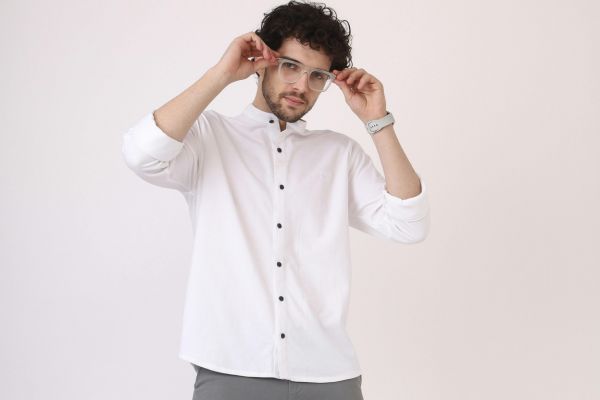
There’s a moment many people experience without fully realizing it. You walk into a room, meet someone for the first time, or appear in a photo online, and before a single word is exchanged, people form impressions. They notice the colors you wear, the way your clothes fit, the confidence behind your style choices, and whether your overall appearance feels intentional or uncertain. Fashion, in many ways, becomes a quiet introduction.
That’s why learning how to build a personal brand with fashion has become more relevant than ever. Style is no longer reserved for celebrities, designers, or influencers. It has turned into a form of identity language for students, entrepreneurs, creatives, office professionals, freelancers, and even people who simply want to feel more aligned with themselves.
Personal branding through fashion is not about chasing trends or dressing expensively. It’s about consistency, self-awareness, and understanding how clothing can reflect your values, personality, ambitions, and lifestyle. The most memorable personal styles rarely come from owning the most expensive wardrobe. They come from clarity.
Understanding What a Personal Brand Really Means
A personal brand is the emotional and visual impression people associate with you. Some people naturally project calm professionalism. Others communicate creativity, confidence, warmth, elegance, or minimalism without saying much at all.
Fashion supports that identity by creating visual consistency. Think about how certain people always seem recognizable in their style choices. One person may favor clean neutral outfits with structured tailoring, while another leans toward relaxed vintage pieces and layered textures. Neither approach is inherently better. What matters is authenticity.
When people try too hard to imitate someone else’s style, it usually feels disconnected. The strongest personal brands tend to come from understanding your own lifestyle and building around it instead of copying internet aesthetics that don’t fit your reality.
Why Fashion Has Become Part of Modern Identity
Social media quietly changed the relationship between image and identity. Even people who are not public figures now maintain visual profiles through photos, meetings, video calls, and daily interactions online. Clothing has become part of communication.
That shift explains why conversations around how to build a personal brand with fashion continue growing across industries. A designer may use bold artistic outfits to reflect creativity, while a wellness coach may choose soft neutral tones that create calmness and trust. Clothing often reinforces the atmosphere someone wants to create around themselves.
Still, fashion branding doesn’t have to feel performative. In fact, the most compelling style identities usually feel effortless because they’re rooted in genuine comfort and familiarity.
Discovering the Style That Feels Like You
Before buying new clothes or reorganizing a wardrobe, it helps to pause and observe your current habits. Most people already gravitate toward certain colors, fits, fabrics, or outfit combinations without noticing.
Some people naturally prefer clean silhouettes and muted palettes. Others feel more alive in expressive prints, oversized layers, or sharp monochrome looks. These patterns reveal more than preference. They reveal personality.
A useful way to approach personal style is to ask simple questions:
What outfits make you feel most confident?
What clothes do you repeatedly reach for?
Which public figures or fashion aesthetics attract you, and why?
What kind of energy do you want people to associate with you?
The answers often uncover a style direction more effectively than trend reports ever could.
Building Consistency Without Becoming Repetitive
Consistency is one of the foundations of recognizable style. That doesn’t mean wearing identical outfits every day. It means creating visual themes people subconsciously associate with you.
Some individuals consistently wear earthy tones and natural fabrics. Others become known for polished black outfits, classic denim combinations, or understated luxury basics. Over time, those choices become part of their identity.
Interestingly, many iconic dressers repeat silhouettes constantly. They simply refine them in small ways. Consistency creates familiarity, and familiarity strengthens personal branding.
This approach also makes dressing easier. Instead of constantly reinventing yourself, you begin curating around a clear aesthetic direction.
The Difference Between Trendy and Timeless
One challenge people face when exploring how to build a personal brand with fashion is balancing trends with individuality. Trends can be fun and creatively inspiring, but they change quickly. A personal brand should feel more stable than whatever happens to be popular for a season.
Timeless style usually works better for long-term identity building because it focuses on fit, quality, balance, and personality rather than temporary internet aesthetics.
That doesn’t mean avoiding trends entirely. It simply means choosing trends selectively. Maybe you incorporate a trending color, accessory, or silhouette while keeping the foundation of your wardrobe aligned with your core style.
The key is remaining recognizable to yourself.
Using Color to Strengthen Identity
Color influences mood and perception more than people realize. Soft neutral tones often communicate calmness and sophistication. Bright colors can feel energetic and expressive. Dark monochrome outfits may project authority, mystery, or simplicity depending on the styling.
Many people unintentionally discover signature colors over time. Perhaps olive green consistently suits your complexion, or navy makes you feel polished without trying too hard. Repeating certain colors subtly reinforces your visual identity.
Fashion branding doesn’t require limiting yourself to only one palette, though. Instead, it helps to identify a few shades that naturally align with your personality and lifestyle.
When color choices feel intentional, outfits start appearing more cohesive even when they’re simple.
Fit Often Matters More Than Price
Expensive clothing does not automatically create strong personal style. Fit usually matters far more than labels.
A well-fitted blazer from an affordable store can look more polished than an expensive jacket that hangs awkwardly. Similarly, properly tailored trousers or structured basics often elevate a wardrobe instantly.
People frequently overlook tailoring because it feels unnecessary, but small adjustments can dramatically improve appearance and confidence. Personal branding through fashion is often less about owning more and more about refining what already exists.
Confidence tends to follow comfort and proper fit naturally.
Fashion as an Extension of Lifestyle
A strong personal style should support your actual life rather than compete with it. Someone working in creative media may thrive in expressive layered fashion, while someone constantly traveling may need practical versatility.
This is where many style transformations fail. People build wardrobes based on fantasy lifestyles instead of daily reality.
Learning how to build a personal brand with fashion requires honesty about routines, climate, work environment, and comfort preferences. Otherwise, even beautiful clothing starts collecting dust.
The most sustainable style identities are wearable ones.
The Role of Accessories and Small Details
Accessories quietly shape perception. Watches, shoes, glasses, bags, jewelry, and even grooming habits contribute to personal branding.
Sometimes a simple signature detail becomes memorable. A person may always wear silver rings, structured loafers, oversized tote bags, or minimalist sneakers. Those elements create continuity.
Small details also reveal intentionality. Clean shoes, neat tailoring, coordinated textures, and thoughtful layering often communicate more sophistication than loud statement pieces.
Personal branding through fashion rarely depends on dramatic styling alone. More often, it’s built through consistency in subtle choices.
Social Media and Visual Identity
Online platforms have blurred the line between digital identity and personal style. Whether someone posts frequently or rarely, fashion still influences perception through photos and visual presence.
That doesn’t mean curating a perfectly polished feed. In fact, audiences increasingly respond to authenticity over perfection. Repeating visual themes naturally across photos can strengthen identity without making content feel forced.
Some people become recognizable through relaxed neutral outfits. Others build visual identity around vintage fashion, streetwear, classic tailoring, or soft feminine aesthetics. Over time, consistency helps create familiarity.
Still, the healthiest approach is treating fashion as self-expression rather than performance. Style should enhance identity, not replace it.
Confidence Is the Real Foundation
Perhaps the most overlooked aspect of personal style is emotional comfort. Clothing affects posture, body language, and energy more than many people realize.
When someone feels uncomfortable in an outfit, it often shows immediately. On the other hand, people who genuinely feel aligned with their style tend to appear more confident even in simple clothing.
That’s why authenticity matters so much in fashion branding. Personal style becomes powerful when it reflects who you already are instead of who you think you’re supposed to imitate.
Fashion can sharpen identity, but it cannot create self-worth on its own.
Evolving Your Style Over Time
Personal brands are not fixed forever. People grow, careers shift, priorities change, and style evolves alongside those experiences.
Someone in their early twenties may experiment heavily before settling into a more refined aesthetic later. Others become more expressive with age after years of dressing conservatively. Both paths are natural.
Style evolution doesn’t mean losing consistency. It means allowing identity to mature organically.
The healthiest wardrobes usually contain traces of experimentation, practicality, nostalgia, and self-discovery all at once.
Conclusion
Understanding how to build a personal brand with fashion is ultimately less about impressing others and more about creating alignment between appearance and identity. Clothing becomes meaningful when it reflects personality rather than disguising it.
The strongest personal styles are rarely the loudest or trendiest. They feel intentional, comfortable, and recognizable without seeming forced. They grow slowly through observation, experimentation, and everyday choices rather than overnight reinvention.
Fashion will always change, but personal style has a quieter rhythm. It develops over time, shaped by confidence, lifestyle, experiences, and self-awareness. And in a world filled with constant visual noise, authenticity often leaves the strongest impression of all.