
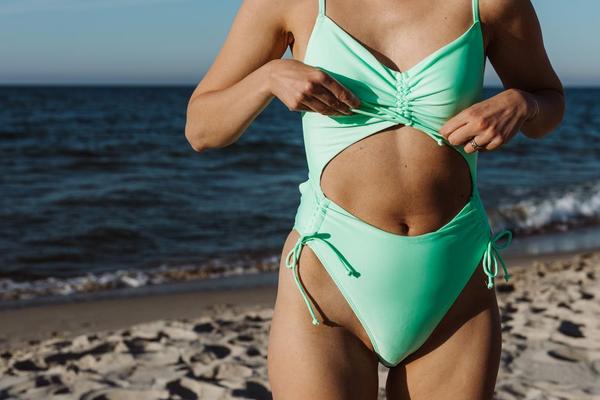
Choosing between a one-piece and a bikini is less about finding the “better” swimsuit and more about matching the style to how you plan to wear it. Fit, coverage, movement, tanning, support, and personal confidence matter more than any blanket fashion rule.
The clearest way to compare bikini vs one piece options is to think practically. Where will you wear it? How active will you be? Which areas do you want supported or exposed? Those answers make the decision easier.
The quick answer: which style suits which priority?
A one-piece is usually the stronger choice when you want secure coverage, a streamlined fit, and less adjusting while moving. A bikini is often better when you value easy bathroom breaks, flexible sizing between the top and bottom, more tanning exposure, and the freedom to mix different cuts.
Neither style is automatically more flattering. The right neckline, leg opening, fabric, colour placement, and fit can matter far more than whether the swimsuit is made in one piece or two.
Coverage and confidence
Why a one-piece can feel more secure
A one-piece covers more of the torso, which many people find reassuring when swimming, walking around a resort, or playing beach games. It can also create a smooth visual line from the bust to the hips. Ruching, wrap fronts, and adjustable straps can add structure.
More fabric does not always mean more support. A soft, low-backed one-piece may provide less bust security than a well-made bikini top with underwires, wide straps, and a firm band. Look at the construction rather than assuming the category will do the work.
Why a bikini can offer more control
A bikini lets you choose separate shapes for the upper and lower body. That helps if standard one-piece sizing pulls at the shoulders, gaps at the waist, or feels too short through the torso. You can pair a fuller-coverage bottom with a balconette, triangle, crop, or halter top according to your proportions.
This flexibility allows the swimsuit to fit the body rather than the reverse.
Fit differences that matter
One-pieces depend heavily on torso length. If the suit is too short, the straps may dig in, the leg openings may ride up, and the neckline can be pulled lower than intended. If it is too long, fabric may wrinkle around the waist or seat. Long-torso, petite, and adjustable designs can help.
Bikinis remove the torso-length issue but introduce two fit checks. The top band should sit level without riding up, while the bottom should stay in place without cutting sharply into the skin. Ties provide adjustability, though they may be less practical for vigorous swimming than fixed bands.
A useful swimsuit style guide should also note that sizing varies widely between brands. Treat the label as a starting point. Sit, bend, raise your arms, and walk before deciding.
Swimming, sports, and active beach days
For lap swimming, paddleboarding, snorkelling, or energetic family days, a secure one-piece often has the edge. Racerbacks and firm straps reduce shifting in the water. Sporty bikinis can work just as well when they have supportive bands, wider straps, and bottoms designed to stay put.
Imagine a day that includes a boat trip, a swim, lunch at a beach café, and volleyball. A string bikini may look great while lounging, but repeated tying and checking can become annoying. A supportive two-piece or athletic one-piece would probably be more comfortable. Plan for the real day, not only the mirror pose.
Tanning, heat, and sun exposure
A bikini exposes more skin, which can feel cooler and creates fewer tan lines. A one-piece covers more torso but still leaves plenty of skin exposed. Neither should be treated as sun protection unless the fabric has a stated ultraviolet protection rating and the covered area stays covered.
Use broad-spectrum sunscreen on exposed skin, reapply as directed, and add shade, a hat, or a cover-up during long periods outdoors. A rash guard is a better option than ordinary swimwear when sun coverage is the priority.
Comfort and everyday practicality
Bikinis are generally easier for bathroom breaks and may dry quickly because each piece contains less fabric. However, ties, clasps, and separate pieces create more opportunities for something to twist, loosen, or get misplaced.
One-pieces feel simple once they are on, but changing out of a wet suit can be awkward. For holidays, packing one of each can be practical: a secure one-piece for active days and a bikini for relaxed pool time.
Style and versatility
The one piece swimsuit trend now includes cut-outs, asymmetric necklines, belted waists, textured fabrics, and sculptural backs. Many also work as bodysuits under trousers, shorts, or a skirt.
Bikinis offer even more combinations. A neutral bottom can work with several printed tops, while high-waisted, mid-rise, and high-leg cuts create different proportions. Mixing pieces can stretch a small holiday wardrobe.
How to choose in the fitting room
Check movement, not just appearance
Raise both arms, twist, sit down, and bend forward. The neckline should stay secure, the straps should not dig, and the bottom should not shift dramatically. If you are adjusting the suit every few seconds in the fitting room, you will probably adjust it even more at the beach.
Choose for your real plans
For swimming and movement, prioritise security. For tanning and lounging, prioritise comfort and exposure. For resort wear, check whether it works with a cover-up. A practical choice is not less stylish; it is simply more likely to be worn.
Frequently asked questions
Is a one-piece more flattering than a bikini?
Not automatically. Flattery depends on fit, support, proportions, and how comfortable you feel. A well-fitted bikini can look more balanced than a poorly fitted one-piece, and the reverse is equally true.
Which style is better for a larger bust?
Either can work. Look for a firm underbust band, supportive cups, adjustable straps, and enough coverage for movement. Underwired bikinis and structured one-pieces are often easier to fit than soft, unlined styles.
Are bikinis better for long torsos?
They can be, because they remove the need to match torso length. Long-torso one-pieces are also available and may provide an excellent fit when standard suits pull at the shoulders.
Should I size up in swimwear?
Only when the smaller size pinches, pulls, or distorts the fabric. Swimwear should feel secure because it can loosen slightly when wet, but it should not cause pain or deep pressure marks.
The best choice is the one you will wear
When deciding one piece vs bikini which is better for you, start with purpose rather than body rules. Choose a one-piece for streamlined coverage and dependable movement, or choose a bikini for flexible sizing, easier changing, and more skin exposure. Then judge the individual suit on support, comfort, fabric, and fit.
The strongest swimwear wardrobe may include both. Different days call for different solutions, and one silhouette does not have to handle every beach, pool, sport, and holiday plan.