
A closet can look organized for a weekend and still slide back into chaos by the following month. The difference between a temporary cleanout and a lasting system is whether the space matches how you actually get dressed, put clothes away, and make decisions on busy mornings.
The most useful closet decluttering tips reduce friction. If hangers are packed tightly and seasonal pieces compete with everyday clothes, even a tidy wardrobe becomes difficult to maintain. The goal is to make the closet easier to use after the cleanout is over.
Start With the Clothes You Reach for First
Instead of emptying the entire closet onto the bed, begin with the section you use most. That may be work clothes, casual tops, dresses, or jeans. Pull out one category at a time and evaluate it before moving on.
This method makes similar pieces easier to compare. Five black T-shirts are simpler to judge together than when scattered across drawers and hangers. Ask which fit well, feel comfortable, suit your current lifestyle, and are actually chosen when clean.
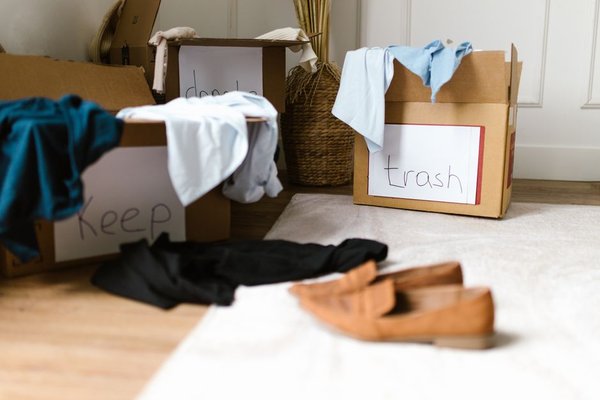
If you are learning how to declutter your closet without becoming overwhelmed, use three outcomes: keep, relocate, or let go. “Relocate” works for items that belong elsewhere, such as a winter coat in a warm-weather wardrobe or gym clothes taking up prime hanging space.
Use a Real-Life Wear Test
People often keep clothes because they can imagine wearing them, not because they do. Think about the last three months instead. What did you repeatedly choose for work, errands, weekends, and social plans?
Consider six button-down shirts when only two are regularly worn because the others wrinkle badly, pull at the shoulders, or require awkward styling. Those annoyances matter. A garment that technically fits but repeatedly loses the morning decision is not serving your wardrobe well.
For uncertain pieces, create a short trial section. Give yourself a defined period to wear them. If they remain untouched through situations where they would reasonably be useful, that is stronger evidence than keeping them indefinitely because they “might” be useful someday.
Give Prime Space to Prime Clothing
One of the most effective wardrobe organization tips is to match storage location to frequency of use. Everyday clothing should be easiest to see and reach. Special-occasion pieces, off-season items, backups, and sentimental clothing can occupy less convenient areas.
Keep frequently worn clothes between roughly waist and eye level when possible. Lower shelves can hold shoes or folded items, while high shelves suit occasional pieces. This reduces rummaging and speeds up putting clothes away.
Grouping by type usually works better than arranging everything by color alone. When trousers, shirts, jackets, and dresses have defined zones, you can quickly see what you own and where each item belongs.
Set Physical Limits Instead of Relying on Willpower
Decluttering sticks when the closet itself creates boundaries. Decide how much space each category can reasonably occupy. If knitwear fits comfortably on one shelf, adding another sweater may mean deciding which existing one no longer earns that space.
This is not about owning a tiny wardrobe. It is about keeping the amount of clothing compatible with the storage you have. Overfilled rails make hangers difficult to move, crowded shelves collapse into piles, and hidden items are easily forgotten.
A practical closet cleanout guide should include breathing room. Leave enough space to slide hangers without force and remove folded clothes without disturbing the entire stack. Visible gaps help the system work.
Finish the “Let Go” Step Properly
Decluttering is not complete if unwanted clothes remain in bags on the bedroom floor for weeks. Before you start, decide where usable items will go and what will happen to damaged textiles. Donation, resale, gifting, and textile recycling may all be appropriate depending on the item and local options.
Be realistic about resale. If a low-value garment requires photographing, measuring, listing, answering messages, packaging, and shipping, the process may create more clutter than it removes. Reserve resale effort for pieces that are genuinely worth the time.
Use the cleanout to identify gaps rather than immediately filling them. If you remove several uncomfortable pairs of trousers and realize you rely on one good pair, make a note. A thoughtful replacement later is more useful than an impulse purchase during the declutter.
Build a Maintenance Routine That Takes Minutes
The closet does not need another full overhaul every few weeks. Small resets work better. Once a week, return stray hangers, refold one messy shelf, and move anything that has landed in the wrong zone.
Another useful habit is a quick check when laundry is put away. If you notice an item you repeatedly avoid, ask why. Poor fit, uncomfortable fabric, difficult care, or duplication are all reasonable reasons to reconsider it.
Seasonal transitions are natural checkpoints too. When the weather changes, review the clothes moving into active rotation. Forgotten pieces, worn-out basics, and items that no longer fit your needs become easier to spot.
Organize for Your Habits, Not for Photos
A closet should support the person using it. If you dislike folding, do not create a system that depends on perfect stacks. If you wear outfits in repeatable combinations, store those pieces near one another. If accessories disappear in boxes, use more visible storage.
The same principle applies to broader wardrobe planning. Capsule wardrobe basics, choosing clothes for your lifestyle, and small-bedroom storage can help create a wardrobe that feels intentional.
When the organization method matches your habits, upkeep becomes easier. The goal is not to produce a showroom for one afternoon. It is to make tomorrow morning easier.
Frequently Asked Questions
How often should I declutter my closet?
A major declutter may only be needed once or twice a year if you maintain the space regularly. Short weekly resets and seasonal reviews can prevent clutter from building up again.
What should I remove first when decluttering?
Start with damaged items you will not repair, clothes that no longer fit your lifestyle, uncomfortable pieces you avoid, and duplicates that rarely get worn. Easy decisions build momentum before sentimental or expensive items.
Should I keep clothes that do not currently fit?
Keep them only if there is a realistic reason and a defined amount of space for them. Avoid letting an active closet become storage for a different size. A small, clearly separated group is easier to manage.
How can I stop my closet from becoming cluttered again?
Give each clothing category a defined home, keep frequently worn items easy to reach, maintain some empty space, and review new purchases against what you already own. A simple weekly reset can catch disorder before it becomes a full cleanout.
A Closet That Stays Useful
Successful decluttering is less about one dramatic decision day and more about creating a wardrobe that is easy to operate. Keep the pieces that earn their place through comfort, fit, usefulness, or genuine enjoyment. Store them where your habits naturally lead you, and let the available space provide sensible limits.
When your closet reflects your real life rather than an idealized version of it, staying organized takes less effort. That is what makes the results last: fewer obstacles, clearer choices, and a system you can maintain on ordinary days.