
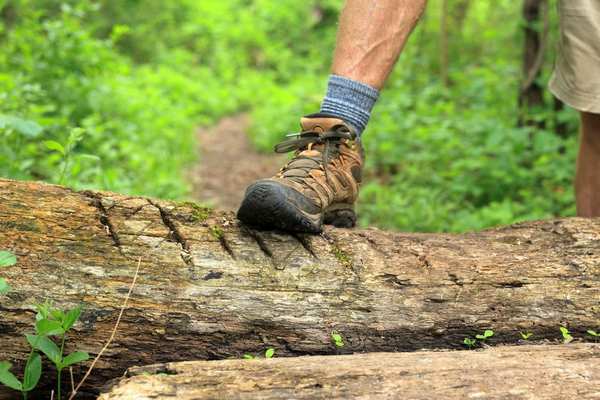
Your first hiking boots should make walking feel easier, not turn a simple weekend trail into an expensive gear project. The best hiking boots for beginners offer dependable grip, a comfortable fit and protection for the paths you actually plan to explore. They do not need to be the stiffest, heaviest or most technical pair in the store.
For marked woodland paths, rocky park trails and modest hills, a versatile mid-cut boot is often a practical choice. Here are four models worth comparing, from budget-friendly footwear to one pricier option that suits particular feet.
Beginner hiking boots worth comparing
Quechua MH100 Waterproof Mid: the budget starting point
Decathlon’s Quechua MH100 Waterproof Mid is a sensible first stop for occasional hikers watching their spending. It has a waterproof membrane, an EVA-cushioned midsole, toe reinforcement and a rubber outsole with 4 mm lugs. That is a useful package of trail features without a premium-brand price.
Choose it for shorter outings on established routes and damp ground. Its trade-offs include a simpler feel than more expensive boots and potential warmth in summer. Try it on before deciding that its low price makes it the best option for your feet.
Columbia Newton Ridge Plus II Waterproof: traditional style and value
The Columbia Newton Ridge Plus II Waterproof suits beginners who like a classic hiking-boot shape and want protection for mixed conditions. Columbia uses Techlite cushioning, an Omni-Grip rubber outsole and waterproof construction. It is an appealing option for casual trails, weekend outings and repeated everyday use.
Its structured upper may feel substantial compared with a flexible hiking shoe. Check that your heel stays secure downhill and the forefoot does not feel squeezed. Sale pricing can make this model competitive, but compare actual prices for your size.
Merrell Moab 3 Mid Waterproof: a comfort-focused step up
The Merrell Moab 3 Mid Waterproof is worth considering if you expect to hike regularly. It includes a contoured footbed, cushioned heel, supportive shank and Vibram TC5+ outsole with 5 mm lugs. Those features make it a compelling all-round choice for varied everyday trails.
The drawback is cost: it generally sits above basic entry level hiking footwear. It is not especially light, either. If the Moab fits noticeably better than a cheaper model, paying more could be worthwhile. If both fit equally well, you may not need the upgrade.
KEEN Targhee IV Mid Waterproof: worth trying for a roomier forefoot
KEEN’s Targhee IV Mid Waterproof features a generous forefoot shape, protective toe bumper, waterproof membrane and substantial cushioning. People who feel cramped across their toes in narrower boots may appreciate this alternative. Its rugged construction also suits hikers expecting regular use.
It is nevertheless a higher-priced, relatively substantial boot rather than the default bargain recommendation. Consider it when the fit solves a specific problem; otherwise, the cheaper choices may serve you just as well.
Which pair gives you the best value?
Think in terms of comfortable outings rather than the lowest price tag. Quechua is a strong starting point for tight budgets and occasional hikes. Columbia offers a traditional alternative when discounted. Merrell is a reasonable step up for regular walks, while KEEN makes sense when a generous forefoot is your priority.
Fit matters more than brand prestige. If affordable beginner hiking boots fit securely and handle your local terrain, save the difference for good socks and actual time outdoors.
How to avoid buying the wrong pair
Test them with real hiking socks
Bring the socks you plan to wear, preferably moisture-managing hiking socks rather than thin everyday cotton ones. Try boots later in the day, when feet may be slightly larger. Walk around and use an incline ramp if the store has one. Your heel should not repeatedly lift, and your toes must not strike the front when descending.
Imagine your first five-mile loop: a gravel climb followed by a long downhill return. Boots that seem pleasantly snug in the shop can become painful if your feet slide forward with every step. Test the descent and adjust the laces before judging the fit.
Match waterproofing to the weather
Waterproof membranes help with wet grass, puddles and rain, but can hold more heat than breathable non-waterproof footwear. For mostly hot, dry walks, ventilated hiking shoes may be more comfortable than waterproof boots. Muddy, cool routes make water resistance more useful.
Water can still enter over a boot’s collar. If you frequently walk in wet conditions, learn how to clean hiking boots and dry them properly without damaging the materials.
Don’t confuse ankle height with guaranteed stability
A mid-cut collar can protect against brush and give a more enclosed feel, but does not guarantee prevention of ankle injuries. Secure fit, appropriate traction and careful steps are essential. Comfortable trail boots should flex naturally with your stride without feeling loose.
Where to spend and where to save
Prioritise fit, tread and cushioning for your usual distance. Save by considering older colourways or reputable seasonal sales instead of paying for cosmetic extras. Check the return policy carefully: a boot worn only indoors may be returnable, while a muddy pair often is not.
Before a longer hike, take several short walks in new boots. These reveal rubbing and pressure points while giving you a chance to experiment with lacing. Also review what to wear on a day hike and hiking socks for beginners. Small preparations can improve comfort more than another price increase.
Frequently asked questions
Do beginners need hiking boots, or are trainers enough?
Supportive trainers may work on easy, smooth and dry paths. Purpose-built hiking footwear becomes more useful for roots, loose stones, mud and uneven terrain, where a grippier outsole and protective upper help.
Should my first hiking boots be waterproof?
Only if your conditions justify it. Waterproof models suit damp weather, while breathable non-waterproof shoes often feel cooler on hot, dry routes. Choose for your climate rather than assuming waterproof means better.
How much should a beginner spend?
Spend the least that gets you a secure fit and adequate grip. An affordable pair that feels comfortable on your planned trail beats expensive boots that rub or squeeze. Discounts help, but sizing comes first.
Do new hiking boots need breaking in?
Many modern boots feel good quickly, yet several short walks remain sensible. They expose rubbing, pressure and lacing problems before a full-day trip. Breaking in should never be used to excuse painful sizing.
The takeaway
Start with the Quechua MH100 to keep costs low, compare Columbia for a classic all-round option, and consider Merrell if the extra comfort is worth paying for. Try KEEN if you specifically need more toe space. The right first pair fits your feet, matches your trails and leaves enough money to enjoy using it.