
“Made from deadstock fabric” sounds like a reassuring clothing label. It suggests that useful material has been saved rather than wasted. Often, that is exactly what happened. But the phrase tells you surprisingly little about how the fabric was originally made, who stitched the garment or how long it will last.
Understanding deadstock fabric meaning is therefore less about memorising a fashion buzzword and more about asking what happened to the material before it reached the sewing table. Here is how surplus textiles enter new collections, where the environmental benefits are real and where shoppers should look beyond the claim.
Deadstock means unused fabric with no original buyer or purpose
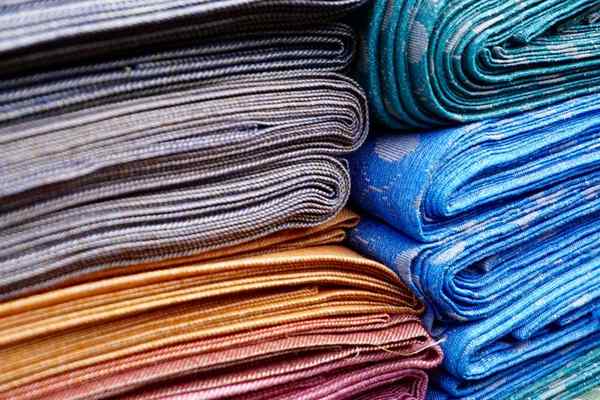
Deadstock fabric is generally unused textile material left over from an earlier production plan. A mill might have produced more cloth than a customer required. A designer may have cancelled a collection after ordering the fabric. Alternatively, a manufacturer could be holding a discontinued colour or an incomplete roll that is difficult to sell through normal channels.
The material has already been manufactured, but it has not been made into the intended finished product. Another designer or business can buy that surplus fabric and use it for something new. The term is common in fashion, although it is not a universal certification with one independently enforced definition.
Deadstock textiles are not necessarily recycled, vintage or secondhand. A deadstock cotton roll can be newly manufactured cotton that has never been cut; recycled cotton has undergone material recovery and processing. Those are different claims, even when both appear in discussions of circular fashion.
Why perfectly usable fabric becomes surplus
Fashion production rarely matches forecasts perfectly. Fabric is often ordered before final customer demand becomes clear, and mills may have minimum order quantities. A brand can also change a silhouette, drop a colour or abandon a design after material has been purchased.
These decisions leave behind anything from a few metres to substantial rolls. Some stock is first-quality cloth; some is downgraded because of inconsistent colour, weaving faults or storage damage. “Leftover” describes its inventory history, not a guaranteed quality grade.
The strongest benefit is making use of what already exists
Producing fabric involves raw materials, energy, water and chemical processing, with impacts varying substantially by fibre and manufacturing method. The European Environment Agency identifies textile production and consumption as significant sources of environmental pressure. Keeping usable material in circulation can be preferable to discarding it and commissioning replacement cloth.
When a label genuinely substitutes existing leftover fabric for newly produced material, it may avoid some demand for fresh textile production. This is the practical appeal of deadstock: it gives already-made fabric a viable use while reducing the chance that it remains unwanted inventory.
There is a qualification, though. Nobody can reliably assign a universal percentage of water or carbon saved to every deadstock garment. The outcome depends on what material is used, whether it really replaces new production, the cutting waste created and the garment’s eventual lifespan.
Why deadstock is not an automatic ethical-fashion badge
Surplus has an origin story
One concern is whether a seller is genuinely clearing unwanted stock or regularly producing extra fabric for a growing deadstock market. If manufacturers intentionally create a supposed surplus, the waste-prevention argument becomes weaker. Ask how and why the fabric was left unused, rather than accepting “rescued” as proof of an environmental benefit.
The fibre still has its original characteristics
Deadstock polyester is still polyester. It may shed synthetic microfibres during use and washing, depending on the construction and conditions. Likewise, unused cotton or viscose does not lose the impacts associated with its original production simply because another company eventually bought it. A material’s origin, durability and care requirements remain relevant.
Fabric sourcing does not establish fair labour
A brand can use surplus cloth while paying garment workers poorly or providing little supply-chain transparency. Deadstock says nothing on its own about wages, safe workplaces, dye chemistry or factory oversight. For a wider assessment, look at the company’s labour policies and evidence behind its ethical clothing claims.
A practical example: the small-batch shirt
Imagine a small clothing studio finds 75 metres of unused linen blend from a cancelled order. The studio checks the fibre composition, examines the full roll for defects and makes a short run of shirts instead of ordering new fabric. That is a credible example of using deadstock responsibly, provided the shirts are made to last rather than becoming another batch of unwanted inventory.
This is why a genuinely useful question is not just “Was it deadstock?” but “Was the material turned into something people will keep using?” A surplus label cannot compensate for disappointing construction or an impractical design.
What to check when buying deadstock clothing
Start with the garment rather than the marketing claim. Look for the stated fibre percentages and washing instructions. Ask whether the fabric came from a mill overrun, discontinued stock or a cancelled order, and whether the seller can explain its source without revealing commercially sensitive details.
Check photographs of the weave, stitching and fabric drape, especially when shopping online. For older rolls, ask about fading, odour or uneven colouring. If a garment contains multiple fabric panels, confirm that the colour and texture are consistent across them.
Limited fabric availability also affects repairs and repeat purchases. A brand might not be able to replace a damaged panel with an exact match later. For a home sewer buying deadstock by the metre, order enough for cutting, shrinkage tests and a small margin for mistakes because the same dye lot may never return.
Finally, compare how the brand describes its practices beyond fabric sourcing. Details about factories, construction and long-term care are more informative than vague statements such as “zero-impact” or “completely sustainable.” A fabric composition guide and a clothing care guide can help interpret labels and maintain the finished piece.
Frequently asked questions
Is deadstock fabric always sustainable?
No. Reusing existing fabric can reduce waste, but sustainability also depends on the fibre, production history, replacement of new material, garment quality and working conditions.
Is deadstock fabric lower quality?
Not necessarily. Many rolls are perfectly usable surplus. Others may have flaws, inconsistent dye lots or damage from storage, so inspection and honest product descriptions matter.
Is deadstock the same as recycled fabric?
No. Deadstock usually remains in its original fabric form and is put to use without being broken down into new fibre. Recycling involves processing material into a new feedstock or product.
Why are deadstock collections often small?
Once a particular leftover roll is used up, finding more of the identical cloth can be difficult. Designers may therefore make limited runs or change colours between batches.
What the label should—and should not—tell you
Deadstock can be a sensible way to use fabric that already exists. Its value is clearest when brands can explain the source, avoid ordering unnecessary new textiles and create clothes worth keeping. Treat it as one useful piece of evidence, not a complete verdict on a garment’s environmental or ethical credentials. Good fabric choices matter; honest production and lasting quality complete the picture.