
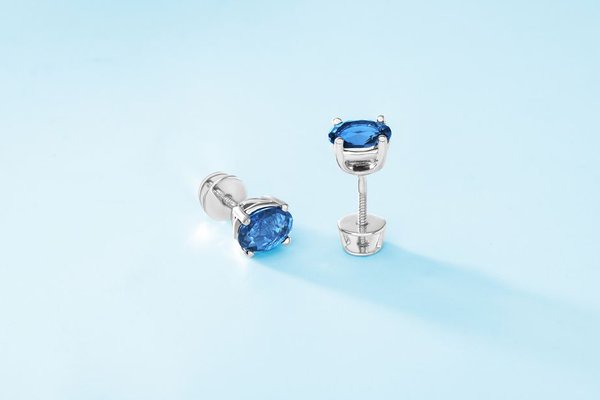
A birthstone turns jewelry into a personal story. A pendant can mark a birthday, a ring can celebrate a new child, and a bracelet can hold the colors of an entire family. But choosing well involves more than finding the right month. Gemstones differ in color, price, toughness, and care needs, so the best-looking option is not always the most practical one.
This birthstone jewelry guide covers the familiar stones, their traditional associations, and thoughtful ways to wear or give them.
Birthstones by Month: Colors and Meanings
Today’s commonly used birthstone list grew from older traditions and was standardized by American jewelers in 1912, with later additions. Some months have several accepted stones, which gives you more freedom to choose a color or budget. Birthstone meanings are cultural symbolism and folklore, not scientifically established powers.
January: Garnet
Deep red garnet is the classic January choice, although the garnet family also includes green, orange, and purple varieties. Often associated with friendship, protection, and commitment, it makes a rich-looking pendant or stud earrings. Check the particular garnet variety before choosing a ring for frequent wear.
February: Amethyst
Amethyst is purple quartz, ranging from delicate lilac to saturated violet. Its traditional associations include calm and clarity. A faceted amethyst birthstone necklace offers noticeable color without requiring a large stone; avoid leaving it in intense sunlight for prolonged periods.
March: Aquamarine and Bloodstone
Aquamarine, a blue variety of beryl, evokes the sea and is linked in folklore with serenity and courage. It suits understated, pale-blue jewelry. Bloodstone, a dark green gem with red flecks, is a traditional alternative for someone who prefers an earthier look.
April: Diamond
Diamond is associated with enduring love and strength. Colorless stones are familiar, but diamonds also occur in other colors. Both natural and laboratory-grown diamonds can be considered; they have the same essential mineral composition, though their origins and prices differ. Ask for clear disclosure before buying.
May: Emerald
Emerald’s recognizable green color has long suggested renewal and growth. It can be an unforgettable gift, but many emeralds contain natural fractures and some are treated with oils or resins. Protective settings and gentle cleaning matter, particularly in rings.
June: Pearl, Alexandrite, and Moonstone
Pearls symbolize purity and wisdom in many traditions and lend themselves to classic earrings. Alexandrite is prized for its color change under different lighting, while moonstone offers a soft, floating sheen. June’s variety is useful: pearls and moonstone need more protection from knocks than alexandrite.
July: Ruby
Ruby is the red variety of corundum, traditionally connected with passion and vitality. Its strong hardness makes it a compelling choice for a frequently worn ring, although settings still require care. Color, treatment, and quality can greatly affect price.
August: Peridot, Spinel, and Sardonyx
Bright yellow-green peridot is the best-known August stone, often tied to good fortune. Spinel offers a wider palette, including pink and red, and is generally tougher for everyday wear. Banded sardonyx provides a more graphic, vintage-inspired alternative.
September: Sapphire
Blue sapphire traditionally represents loyalty and wisdom, yet sapphire also comes in pink, yellow, green, and other colors. Like ruby, it belongs to the corundum family and is well suited to many ring designs. A nonblue sapphire can still be a meaningful September birthstone.
October: Opal and Tourmaline
Opal’s shifting flashes of color make each piece feel individual, while tourmaline appears in many hues, including pink and green. Opal is comparatively delicate and best handled thoughtfully. For a gift intended for constant wear, tourmaline may be easier to maintain.
November: Topaz and Citrine
Topaz occurs in multiple colors, and citrine is the yellow-to-orange variety of quartz. Both create warm, cheerful jewelry and are often linked with abundance. Blue topaz is commonly treated to produce its color, so ask sellers about enhancements rather than assuming every stone is untreated.
December: Turquoise, Zircon, and Tanzanite
December offers three distinct blue-family looks: opaque blue-green turquoise, brilliant zircon, and blue-violet tanzanite. Turquoise has longstanding associations with protection; tanzanite is admired for its distinctive color. All need considered care, especially compared with tougher gems such as sapphire.
How to Choose Birthstone Jewelry That Will Actually Get Worn
Start with the recipient’s habits, not just the calendar. Someone who works with their hands may find a low-profile pendant more convenient than a raised gemstone ring. For an everyday ring, durability and a protective setting matter; for occasional earrings, delicate pearl, opal, or turquoise can be a lovely choice.
Next, match the metal and color to their existing collection. Yellow gold can warm purple amethyst or green emerald; white metals often emphasize the cool tones of aquamarine and blue sapphire. For more combinations, explore gemstone color pairing ideas before committing to a setting.
A personalized piece can tell more than one story. Imagine gifting a mother a necklace with an April diamond charm for one child and an October tourmaline charm for another. Check that the charms sit comfortably together, and choose a chain that can support their combined weight. A helpful starting point is a guide to necklace lengths and layering.
Birthstone Gifts for Different Occasions
A single-stone birthstone necklace is a flexible birthday gift because sizing is simpler than with rings. Small studs suit someone who prefers minimal jewelry, while a signet-style piece with a modest stone may appeal to someone who favors tailored accessories. For anniversaries or new-parent gifts, combining family birthstones can feel more intentional than choosing a single month.
Do not let tradition override taste. If a November recipient dislikes yellow, consider a different topaz color rather than forcing citrine. Before ordering, check return policies, ring sizing, and whether the listing identifies treatments, gemstone identity, and metal content. Our guide to choosing jewelry metals can help with the final decision.
Care Matters as Much as Color
Hardness describes resistance to scratching, not resistance to every crack or impact. Remove gemstone jewelry before sports, heavy cleaning, or activities involving chemicals. Store pieces separately to avoid scratches. Pearls should be wiped after wearing, while opals and many treated gems need gentle, stone-specific cleaning. Avoid ultrasonic machines unless a qualified jeweler confirms they are safe for the particular piece.
Frequently Asked Questions
Can one month have more than one birthstone?
Yes. June, August, October, November, and December are familiar examples, and March also has a traditional alternative. Different historical and modern lists may vary.
Do birthstones have proven healing powers?
No scientific evidence establishes the healing or protective powers traditionally assigned to gemstones. Their meanings are best enjoyed as personal or cultural symbolism.
Which birthstones are good for everyday rings?
Diamond, ruby, and sapphire resist scratches especially well. Their settings still need maintenance, and hardness alone does not guarantee that jewelry cannot chip or break.
Is a lab-grown gemstone a real birthstone?
A properly identified laboratory-grown gem can have the same mineral identity as its natural counterpart. It is still important that the seller clearly discloses its origin and any treatments.
Make the Meaning Personal
The right birthstone gift connects a person’s month with their own style. Choose a color they enjoy, a setting they can wear comfortably, and a gemstone they can realistically care for. The story behind the jewelry will matter more than following a birthstone chart perfectly.