
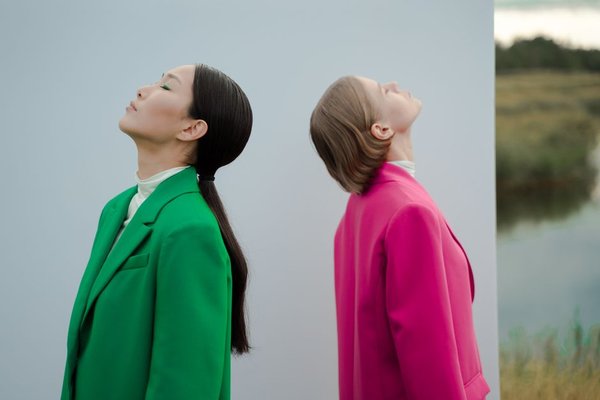
Blazers are moving in two directions at once in 2026. One side is neat, cropped and close to the body; the other remains relaxed, broad-shouldered and deliberately roomy. Between them sits a renewed interest in waist definition, collarless necklines and tailoring that feels polished without looking corporate. The most useful blazer trends 2026 has to offer are therefore about choosing a proportion that works with the clothes you already wear.
The smartest investment is not automatically the most fashionable jacket on the rail. It is the cut that balances your preferred trousers, skirts and dresses, fits comfortably through the shoulders.
The biggest blazer trends defining 2026
The cropped, boxy blazer
Cropped tailoring is one of the clearest changes this year. Rather than ending at the upper thigh, these jackets finish near the natural waist or top of the hip. Many have a straight, boxy shape, giving them a clean look without the bulk of a full-length oversized blazer.
This cut works especially well with high-waisted, wide-leg trousers, full skirts and dresses with a defined waist because the shorter hem keeps those proportions visible. It can also help petite wearers avoid feeling overwhelmed by excess fabric. Try the blazer with the two bottoms you wear most. If it only works with one specially purchased outfit, it is probably not the best investment.
The softened oversized blazer
Oversized blazers are not disappearing, but the strongest versions for 2026 look less rigid than the exaggerated styles of recent seasons. Think extended shoulders, a longer line and enough room for a knit underneath, balanced by fabric that drapes rather than stands away from the body.
This remains one of the best blazer styles for people who favour straight jeans, slim trousers or dresses. If you have broad shoulders, look for softer construction and a single-breasted front instead of heavy padding. If your frame is narrow, a slightly stronger shoulder can add structure, but the sleeve seam should still look deliberate.
The waist-defined blazer
After several years of loose tailoring, the waist is becoming visible again. Belted blazers, curved side seams and shaped single-button jackets are appearing alongside oversized cuts. The effect feels dressed-up, yet it is practical when the shaping comes from construction rather than a restrictive fit.
A waist-defined blazer works well over wide trousers or a midi skirt. It can also bring proportion to a fuller bust when the lapels lie flat and the button closes without pulling. Avoid sizing down to force an hourglass effect. A good fitted blazer should skim the torso, allow the arms to move and remain smooth across the back.
The collarless and high-neck jacket
Collarless blazers are among the most distinctive trending blazers 2026 is bringing into everyday wardrobes. Removing the traditional notch lapel creates a cleaner neckline that looks elegant with a crew-neck top, fine knit, silk blouse or simple dress. Some versions are open at the neck, while others use a funnel or stand collar.
This style suits people who find conventional lapels visually busy with necklaces or patterned tops. It also moves easily from workwear to evening dressing. Check that the neckline sits flat rather than gaping and that the front edges hang evenly when the jacket is open.
The strong-shouldered blazer
Shoulder emphasis is returning, but the modern version is more controlled than a costume-like 1980s revival. A defined shoulder can sharpen a relaxed suit, balance wide-leg trousers and give simple jeans a purposeful finish. The most wearable designs combine structure at the top with ease through the body.
This cut can be effective for pear-shaped proportions because it visually balances the hips. People with naturally broad shoulders may prefer a lightly structured sleeve head rather than thick pads. A small extension can look intentional, while an exaggerated overhang may date quickly and make coats difficult to layer over it.
Which blazer cut is worth investing in?
For maximum longevity, a softly tailored single-breasted blazer remains the safest foundation. Choose a length around the mid-hip, moderate lapels and enough room for a light layer. It sits between the cropped and oversized extremes, making it easier to wear as trends shift. Navy, charcoal, chocolate brown, camel and muted olive can be as versatile as black.
Your second blazer can be more directional. Choose cropped if you regularly wear high-rise bottoms, collarless if you prefer clean necklines, belted if you enjoy waist definition, or oversized if casual layering dominates your week. One dependable classic plus one proportion-changing style is more useful than several near-identical jackets.
Fabric and construction matter more than the label
A blazer can have the right silhouette and still be a poor buy. Check whether the fabric recovers after you gently scrunch it. Wool blends work across more seasons, linen suits warm weather but creases, crepe gives a dressier line and cotton twill feels casual.
Fit the shoulders first. Sleeves and waist shaping can often be altered, but rebuilding the shoulder is difficult and expensive. Wear the blazer for ten minutes: sit down, reach forward, cross your arms and place your phone in the pocket. A jacket that only looks good while standing still will not become a wardrobe workhorse.
How to style 2026 blazers
Let one proportion lead the outfit. Pair a cropped blazer with high-waisted trousers and a simple top. Wear an oversized blazer over a close-fitting base, or keep the trousers fluid but show some shape at the waist. With a strongly shouldered jacket, choose restrained accessories and allow the tailoring to provide the statement.
Natural internal-link opportunities include capsule wardrobe essentials, how to layer clothes without bulk and choosing trousers for your body shape. Together, those guides help readers build complete outfits rather than treating a blazer as an isolated purchase.
Frequently asked questions
Are oversized blazers still in style in 2026?
Yes, but they are becoming softer and more considered. Relaxed shoulders, fluid fabric and balanced proportions feel more current than jackets that are simply several sizes too large.
Are cropped blazers suitable for work?
They can be, especially with high-waisted tailored trousers, a midi skirt or a matching dress. Choose a hem that meets the waistband and avoid very short cuts if your workplace is conservative.
What blazer colour is most versatile?
Black remains useful, but navy, charcoal, chocolate and camel may integrate more naturally with casual wardrobes. The best colour works with at least three bottoms and two pairs of shoes you already own.
Should a blazer button comfortably?
Yes. Even when you plan to wear it open, the blazer should close without pulling across the chest or creating horizontal creases. Comfortable closure is a sign that the cut fits properly.
Choosing a blazer that lasts beyond 2026
The strongest blazer trends 2026 offers are lessons in proportion: shorter jackets highlight the waist, oversized cuts create relaxed structure, defined waists bring shape back to tailoring and collarless designs simplify the neckline. Rather than chasing every version, choose the silhouette that fills a genuine wardrobe gap. When the shoulders fit, the fabric holds up and the jacket works with several existing outfits, it has a far better chance of remaining useful after the trend forecast changes.