
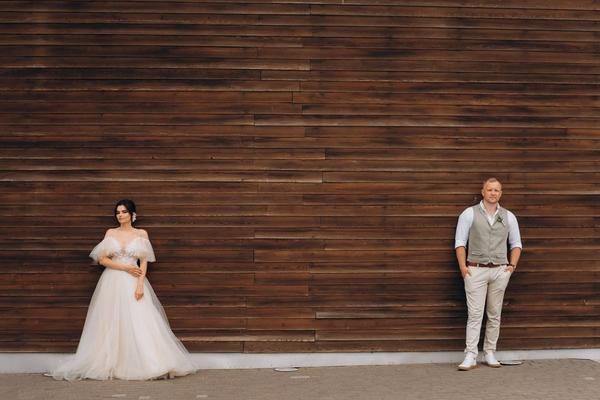
A white ball gown may be the most familiar bridal image, but it is hardly the only way to dress for a wedding. Nontraditional wedding dresses can be colorful, tailored, minimalist, playful, or dramatic. The appeal is not simply looking different. It is finding an outfit that fits the setting, feels comfortable, and still looks like you.
Some brides want a subtle departure from tradition, such as a champagne slip dress. Others picture a tailored jumpsuit, a two-piece ensemble, or a floral gown they could wear again. The best alternative wedding dresses start with personal style rather than a rulebook.
Decide Which Bridal Tradition You Want to Change
“Nontraditional” does not describe one aesthetic. You can keep the long silhouette and change the color, retain an ivory palette but choose trousers, or swap formal satin for embroidered tulle. Choosing one element to rethink often creates a more intentional outfit than changing everything at once.
Consider three questions: What do you normally feel great wearing? How formal is your venue? Which part of the day requires the most movement? A courthouse ceremony, garden reception, and candlelit hotel dinner can each suggest a different answer.
Colorful Wedding Dresses That Still Feel Bridal
Color is one of the easiest ways to make a familiar gown feel personal. Blush, pale blue, sage, champagne, and lavender can read as romantic, especially in flowing fabrics. Burgundy, emerald, black, or metallic finishes make a stronger statement. There is no universal color requirement for a bride; cultural traditions and family expectations vary.
Look at fabric swatches in daylight and under the venue’s evening lighting. A muted rose shade may look different beside warm wooden walls than against a white showroom backdrop. If you want color without losing a classic bridal outline, try a single-color A-line shape with restrained accessories.
Explore bridal color palettes before choosing flowers and shoes, so the entire look feels connected.
Bridal Separates Offer More Than One Look
A fitted top and sweeping skirt can have the presence of a traditional gown without being one piece. Other pairings include a cropped jacket with a column skirt, a lace blouse over fluid trousers, or a structured top with a softly gathered bottom.
Separates make proportion especially important. Try both pieces together before altering either: a waistband that looks flattering while standing may shift when sitting or dancing. Ask a tailor whether the top can be secured discreetly to avoid constant adjustments.
One practical idea is to keep the same top and change from a full skirt to tailored trousers for the reception. It creates two distinct looks without buying two complete outfits.
Jumpsuits and Trouser Suits for Modern Brides
A bridal jumpsuit can feel as occasion-worthy as a gown when its fit and fabric are carefully chosen. Wide-leg styles mimic the movement of a long skirt, while a sharply cut suit delivers clean lines. Crepe, satin, and silk-blend fabrics can look elegant without elaborate decoration.
Can you sit comfortably through dinner? Does the trouser hem clear the floor in your actual shoes? Is the jumpsuit easy to manage during bathroom breaks? These small checks matter during a long celebration.
For a dramatic entrance, consider a removable overskirt or cape over a streamlined trouser look. You get the sense of ceremony without wearing a full gown all evening.
Short Dresses and Unexpected Silhouettes
Tea-length dresses, minis, and asymmetric hemlines work beautifully for city weddings and receptions where dancing is central. A short dress can still feel luxurious through precise tailoring, sculptural sleeves, or a striking neckline. It also puts shoes in the spotlight.
For something more experimental, explore high-low skirts, architectural pleats, dramatic bows, or a column dress with a detachable sleeve. Many unique bridal gowns succeed because they feature one distinctive design detail rather than several competing ones.
Compare wedding dress silhouettes to see which shapes let you move comfortably and feel most like yourself.
Unexpected Fabrics Change the Whole Mood
Fabric can be just as unconventional as cut or color. Embroidered organza gives a floating, artistic effect; velvet suits a cooler-season celebration; metallic jacquard adds structure and shine. Brocade and floral prints can bring a vintage quality to the look.
Match material to practical conditions. Heavy embellishment may feel tiring at an outdoor summer ceremony, while very light fabric can need a lining for comfort and opacity. Check the garment in natural and flash photography, particularly if it is pale or sheer.
A vintage piece or reworked family garment is another route to an unconventional wedding dress. Allow time for specialist alterations, and do not assume older fabric can tolerate extensive restructuring.
How to Style an Alternative Bridal Outfit
Rather than adding every bridal accessory at once, decide what should lead. A black satin gown might need only pearl earrings and a simple bouquet. A sculptural white mini could pair with low heels and a short veil. For a floral dress, accessories in one of the print’s quieter shades can feel cohesive.
Consider the outfit from every angle, especially with a cape, open back, or oversized bow. Choose undergarments early and bring them to fittings. A guide to wedding accessories can help narrow down veils, jewelry, and headpieces.
What to Check Before You Buy
Online images rarely show how a garment moves. If possible, try it while walking, sitting, hugging someone, and lifting your arms. Ask about actual garment measurements rather than relying on standard sizing. Check composition, lining, care instructions, delivery estimates, and alteration options.
Imagine a bride in a bright trouser suit at a courthouse ceremony followed by an outdoor dinner. A breathable lining, secure jacket closure, and hem tailored to her shoes matter more than whether it came from a bridal department. Does it work for the day you are actually planning?
Frequently Asked Questions
Can a wedding dress be any color?
Yes. Many brides choose colors other than white, although customs and expectations differ across families and cultures. Pick a shade that suits your preferences and the celebration you want.
Are jumpsuits suitable for formal weddings?
Absolutely. A well-tailored jumpsuit in a refined fabric can look formal, especially with considered shoes and accessories. The venue’s expectations and the garment’s fit matter more than whether it has a skirt.
Do nontraditional wedding dresses cost less?
Not necessarily. Ready-to-wear pieces can be less expensive than elaborate bridal gowns, but designer tailoring, luxury fabrics, alterations, and accessories can increase the total. Compare complete outfit costs, not just price tags.
How can I make a nontraditional outfit feel special?
Choose one meaningful detail: a custom veil, embroidered initials, inherited jewelry, an unusual bouquet, or a silhouette you have always loved. The outfit becomes memorable through personal choices, not adherence to a formula.
A Bridal Look That Belongs to You
The most compelling nontraditional wedding dresses are not unusual for the sake of it. They reflect a person and a celebration. Whether you choose colored silk, romantic separates, a short dress, or a sharp suit, prioritize fit, comfort, and a detail that excites you. Your wedding outfit should make room for your personality—and for enjoying the day while wearing it.