
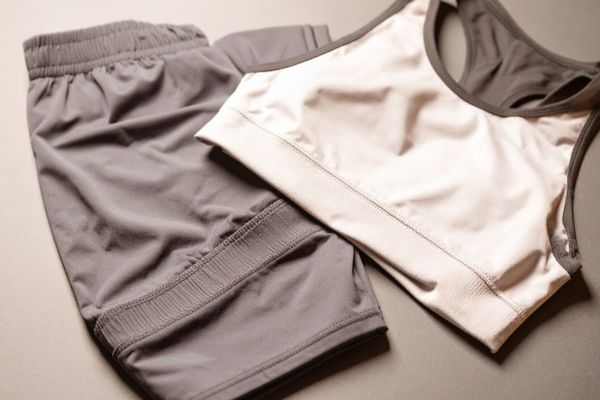
There’s something quietly powerful about stepping outside on a cold morning, your breath visible in the air, your body waking up with each movement. Winter has a way of testing motivation, but it also rewards those who adapt. And that’s where winter activewear comes in—not just as clothing, but as a system that lets you stay comfortable, focused, and surprisingly energized even when temperatures drop.
The idea isn’t simply to stay warm. It’s about finding that delicate balance where your body retains heat without overheating, where movement feels natural instead of restricted, and where the cold becomes part of the experience rather than an obstacle.
Understanding the Role of Winter Activewear
At its core, winter activewear is designed to support performance in cold conditions. Unlike regular winter clothing, which prioritizes insulation above all else, activewear needs to manage moisture, regulate temperature, and allow full range of motion.
When you exercise, your body generates heat quickly. But the moment you slow down or stop, that warmth can disappear just as fast—especially if sweat has soaked into your clothing. This is why winter activewear focuses heavily on materials that wick moisture away from the skin while still retaining enough warmth to keep muscles loose and responsive.
It’s a subtle science, really. Too much insulation and you overheat. Too little, and your body struggles to stay comfortable. The right balance makes all the difference.
The Art of Layering in Cold Weather
Layering is often mentioned in passing, but when it comes to winter workouts, it becomes an art form. Each layer plays a specific role, and together they create a system that adapts as your body warms up.
The base layer sits closest to your skin and is arguably the most important. It should feel lightweight, breathable, and capable of pulling sweat away almost instantly. Fabrics like merino wool or synthetic blends tend to perform well here, offering warmth without trapping moisture.
The middle layer is where insulation comes into play. This layer holds in body heat while still allowing air circulation. Depending on the intensity of your activity, this might be a fleece pullover or a lightweight insulated jacket.
The outer layer acts as your shield against wind, rain, or snow. It doesn’t need to be bulky—just effective. A well-designed outer layer blocks the elements while still allowing excess heat to escape, preventing that uncomfortable, clammy feeling during longer workouts.
Layering also gives you flexibility. As your body warms up, you can adjust by removing or opening layers, keeping your temperature in check without interrupting your rhythm.
Fabrics That Work With Your Body
Not all fabrics behave the same way in cold conditions, and this is where winter activewear truly sets itself apart. Traditional cotton, for instance, tends to hold onto moisture, which can quickly lead to discomfort once temperatures drop.
Performance fabrics, on the other hand, are engineered to respond to movement and sweat. Synthetic materials like polyester blends are popular for their durability and moisture-wicking properties. They dry quickly and maintain their shape even after repeated use.
Merino wool offers a different kind of comfort. It’s naturally breathable, odor-resistant, and surprisingly soft. It retains warmth even when slightly damp, making it a reliable choice for base layers during longer outdoor sessions.
Then there are hybrid fabrics—combinations designed to offer the best of both worlds. These materials stretch, insulate, and breathe all at once, adapting to the pace and intensity of your workout.
Staying Warm Without Overheating
One of the biggest challenges in winter workouts is managing body temperature. It might seem logical to bundle up as much as possible, but too many layers can lead to overheating, which eventually leaves you colder once you slow down.
The key is to dress for the first few minutes of your workout rather than how you feel standing still. A slight chill at the beginning is normal. As your body warms up, your clothing should work with you, not against you.
Ventilation becomes important here. Zippers, mesh panels, and breathable fabrics allow heat to escape gradually. This keeps your body temperature stable and prevents the buildup of moisture that can lead to discomfort later on.
It’s a learning process, honestly. Everyone’s tolerance for cold is different, and finding the right combination of layers takes a bit of trial and error.
Protecting Extremities in Cold Conditions
While the core of your body generates heat quickly, extremities like hands, feet, and ears tend to feel the cold more intensely. Ignoring these areas can make even the best winter activewear setup feel incomplete.
Gloves designed for movement—not just warmth—help maintain dexterity while protecting your hands from the chill. Similarly, moisture-wicking socks keep feet dry, reducing the risk of cold-related discomfort during longer sessions.
Headwear also plays a surprisingly important role. A lightweight beanie or headband can retain warmth without causing overheating, especially during high-intensity workouts.
These small details often determine whether a workout feels enjoyable or unnecessarily harsh.
Movement, Comfort, and Fit
Winter activewear isn’t just about staying warm—it’s about moving freely. Bulky clothing can restrict motion, making even simple exercises feel awkward. That’s why modern designs focus on flexibility and fit.
Stretchable fabrics allow for a full range of motion, whether you’re running, cycling, or training outdoors. Flat seams reduce friction, preventing irritation during repetitive movements.
Fit matters too. Clothing that’s too tight can restrict circulation, while overly loose pieces may fail to retain warmth effectively. The ideal fit feels secure without being restrictive, allowing you to focus entirely on your workout.
There’s a certain confidence that comes from wearing gear that moves with you. It’s subtle, but it makes a difference.
Adapting to Different Winter Activities
Not all winter workouts are the same, and winter activewear needs to reflect that. A brisk run requires different clothing than a slow hike or a high-intensity outdoor training session.
For running, lightweight layers with strong moisture-wicking properties are essential. The focus is on breathability and mobility, as your body generates heat quickly.
For activities like hiking, insulation becomes more important. You may spend longer periods at a slower pace, so retaining warmth without overheating is key.
High-intensity training, on the other hand, demands flexibility and ventilation. Your clothing needs to keep up with rapid changes in body temperature, adapting as you move between bursts of activity and brief rest periods.
Understanding these differences helps you choose the right approach rather than relying on a one-size-fits-all solution.
The Psychological Edge of Dressing Right
There’s something else that often goes unnoticed—the mental impact of winter activewear. When you feel comfortable, you’re more likely to stay consistent. When your clothing supports your movement, you’re less distracted by discomfort.
Cold weather can be discouraging, but the right gear shifts your perspective. Instead of seeing winter as a barrier, it becomes part of the experience. The crisp air, the quiet surroundings, the sense of pushing through something slightly challenging—it all adds up.
Sometimes, simply knowing you’re properly equipped is enough to get you out the door.
Finding Your Personal Balance
No two people experience winter in the same way. Some thrive in colder temperatures, while others prefer to stay wrapped up. The beauty of winter activewear lies in its adaptability.
Over time, you start to understand what works for you. Maybe you prefer lighter layers and constant movement. Or perhaps you need a bit more insulation to feel comfortable. There’s no single formula—only what feels right for your body and your routine.
Experimenting with different combinations, paying attention to how your body responds, and making small adjustments along the way—that’s how you find your balance.
Conclusion: Embracing Winter Through Smart Choices
Winter doesn’t have to interrupt your routine. In many ways, it can enhance it. The challenge of colder weather brings a different kind of focus, a sharper awareness of your body and surroundings.
Winter activewear plays a quiet but essential role in this experience. It allows you to stay warm without feeling weighed down, to move freely while staying protected, and to maintain comfort even as conditions change.
Ultimately, it’s not about fighting the cold—it’s about working with it. With the right approach, winter becomes less of an obstacle and more of an invitation to keep going, to stay active, and to discover a new rhythm in the colder months.