
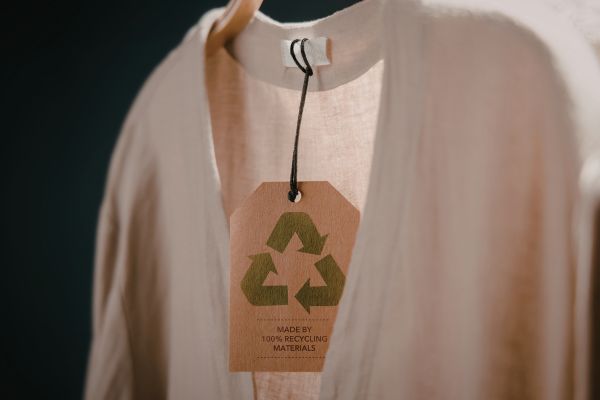
Color is one of the first things we notice about clothing. A deep indigo jacket, a soft clay-colored linen shirt, a faded rose scarf, or a bright turmeric-toned summer dress can shape the whole feeling of an outfit. Yet behind those shades, there is often a hidden story: the water used, the chemicals involved, the workers who handle the dyes, and the impact left behind after fabric is colored.
That is why interest in eco-friendly clothing dyes has grown so much in recent years. People are no longer only asking what a garment is made from. They are also asking how it was colored, where the dye came from, and whether the process was gentle on both people and the planet.
Eco-friendly dyes do not mean every garment has to look earthy, pale, or handmade. They can be rich, expressive, and beautifully modern. But they do invite us to think differently about color, not as something added without consequence, but as part of the full life of a piece of clothing.
Why Clothing Dyes Matter in Sustainable Fashion
The fashion industry uses enormous amounts of water, energy, and chemicals, and dyeing is one of the more resource-heavy stages of textile production. Conventional synthetic dyes can produce strong, consistent colors at scale, which is why they became so common. They are efficient, affordable, and predictable.
The problem is that many dyeing processes rely on chemical fixatives, salts, heavy metals, and large volumes of water. When wastewater is not properly treated, it can enter rivers and local water systems. In some textile-producing regions, waterways have been known to change color because of untreated dye waste. That image alone says a lot.
Eco-friendly clothing dyes offer a better path. They are designed to reduce harm through safer ingredients, cleaner processes, less toxic wastewater, or lower water use. Some come from plants, minerals, insects, or food waste. Others are improved synthetic dyes used in closed-loop or low-impact systems. The key idea is not simply “natural equals good” and “synthetic equals bad.” It is more thoughtful than that.
A dye is more sustainable when its source, processing, application, durability, and disposal are all considered together.
What Makes a Dye Eco-Friendly
An eco-friendly dye is usually judged by more than its origin. A natural dye made from a plant may sound sustainable, but if it requires huge amounts of farmland, water, or harsh mordants to fix the color, the picture becomes more complicated. Similarly, a synthetic dye used in a carefully controlled process with proper wastewater treatment may be less harmful than expected.
Several qualities help define eco-friendly clothing dyes. They should be low in toxicity, safe for workers, and less likely to pollute water. They should require fewer harmful chemicals during application. Ideally, they should work with reduced water and energy use. They should also create color that lasts, because a garment that fades too quickly may be discarded sooner.
Durability matters. A beautiful naturally dyed top that loses most of its color after a few washes may not be very sustainable if it encourages constant replacement. Good eco-friendly dyeing balances beauty with practicality.
Natural Plant-Based Dyes
Plant-based dyes are among the oldest forms of textile coloring. Long before industrial dyeing, people used roots, bark, leaves, flowers, fruits, seeds, and herbs to tint fabric. These dyes still carry a special charm because their colors often feel alive. They may shift slightly depending on the fiber, water, season, or dyeing method.
Indigo is one of the most famous plant dyes, known for its deep blue tones. It has been used for centuries in different parts of the world and remains strongly associated with denim and traditional textiles. Madder root produces warm reds, pinks, and oranges. Turmeric gives a vivid yellow, although it can fade more quickly with light exposure. Onion skins can create golden and amber shades, while walnut hulls produce soft browns.
These dyes often work beautifully on natural fibers like cotton, linen, wool, silk, and hemp. Protein fibers such as wool and silk usually accept natural dyes more easily, while plant fibers like cotton may need more preparation.
The appeal of plant-based dyes is not only their lower toxicity. It is also their connection to place. A naturally dyed garment can reflect local plants, local traditions, and slower methods of making. There is something quietly meaningful about wearing color that came from a leaf, root, or flower rather than a chemical vat.
Mineral and Earth-Based Colorants
Some natural colorants come from minerals and earth pigments. These can create soft, grounded shades such as ochre, rust, clay, charcoal, and stone gray. Earth pigments have been used in art, textiles, and body decoration for thousands of years.
In clothing, mineral-based dyes and pigments can give fabric a beautifully muted, organic look. They often suit linen, cotton, and other natural fabrics because the colors feel textured rather than flat. Instead of looking overly bright, they tend to have depth.
However, mineral-based colorants also require care. Not all minerals are automatically safe or sustainable. Some may contain heavy metals or require environmentally damaging extraction. Responsible sourcing is important. The best earth-based colorants are chosen and processed with safety in mind, especially when used on garments that touch the skin.
Food Waste as a Source of Natural Dye
One of the most interesting developments in eco-friendly clothing dyes is the use of food waste. Instead of growing plants only for dye production, some makers use by-products that would otherwise be thrown away.
Avocado pits and skins can create soft pinks, peaches, and warm beige tones. Pomegranate peels can produce yellows and earthy greens. Onion skins, tea leaves, coffee grounds, grape skins, and vegetable scraps can all be used to color fabric in different ways.
This approach feels especially practical because it gives value to materials that are already available. It also fits naturally with circular thinking: waste from one process becomes a resource for another.
Still, food-waste dyeing has limits. Results can vary, and producing consistent colors at a large scale can be difficult. For small collections, craft dyeing, and home projects, though, it offers a creative and thoughtful alternative.
Low-Impact Synthetic Dyes
Eco-friendly clothing dyes are not limited to natural colorants. Low-impact synthetic dyes can also be part of sustainable fashion when used responsibly. These dyes are designed to bond more efficiently with fabric, which means less dye is washed away during rinsing. They may require less water, lower temperatures, or fewer auxiliary chemicals.
Low-impact dyes are often used in organic cotton clothing because they can create consistent, long-lasting color while meeting stricter safety standards. Their advantage is reliability. They can produce a wider color range than many natural dyes and are often more suitable for larger-scale production.
This is where sustainable fashion becomes less romantic but more realistic. Natural dyes are beautiful, but they are not always the best solution for every garment. A well-managed low-impact dyeing process may be better for everyday basics that need to withstand frequent washing.
The most important thing is transparency. Shoppers should be able to understand whether a brand is using safer dye chemistry, proper wastewater treatment, and responsible production practices.
The Role of Mordants in Natural Dyeing
Natural dyes often need a mordant, which helps the color bind to fabric. Without it, many shades would wash out quickly or look dull. Traditional mordants include alum, iron, copper, and other mineral-based substances.
Some mordants are considered safer than others. Alum is commonly used in natural dyeing and is generally viewed as one of the gentler options when handled properly. Iron can darken colors and create gray or olive tones. Copper and chrome mordants, however, raise more environmental and health concerns and are usually avoided in more responsible dyeing practices.
This is an important point because natural dyeing is not automatically chemical-free. It still involves chemistry. The difference lies in choosing safer substances, using them carefully, and avoiding toxic runoff.
A naturally dyed garment made with harsh mordants may not be as eco-friendly as it appears. That is why the process matters just as much as the dye source.
Fibers That Work Well with Eco-Friendly Dyes
The fabric itself affects how well eco-friendly dyes perform. Natural fibers are usually the best match. Cotton, linen, hemp, wool, and silk all respond well, although each behaves differently.
Cotton is widely used but can be tricky with natural dyes because it often needs proper scouring and mordanting to hold color. Linen has a lovely texture and takes softer, more muted shades. Hemp works in a similar way and often gives earthy results. Wool and silk tend to absorb natural dyes beautifully, producing rich and deep tones with less struggle.
Synthetic fibers such as polyester are more difficult. They usually require high heat and specific dye types, which can increase energy use. Some innovation is happening in this area, but in general, eco-friendly dyeing works most naturally with natural or regenerated fibers.
This is one reason sustainable clothing is often discussed as a whole system. The dye, fiber, washing method, and garment use all connect.
Color Expectations and Natural Variation
One charming thing about natural and eco-friendly dyes is that they may not always look perfectly uniform. A naturally dyed garment might have slight variations in tone. The same dye plant can produce different results depending on soil, harvest time, water minerals, and fabric type.
For people used to factory-perfect color, this can feel unusual at first. But those gentle differences are part of the beauty. They make clothing feel less mass-produced and more personal.
That said, natural variation is not the same as poor quality. Good dyeing should still be thoughtful, balanced, and wearable. The color should not disappear after one wash, and the fabric should not look accidentally stained unless that is the intended effect.
Eco-friendly fashion asks us to appreciate a slightly softer idea of perfection. Color can be beautiful without being identical from one garment to the next.
Caring for Naturally Dyed Clothing
Clothing colored with natural or low-impact dyes often lasts longer when treated gently. Washing in cold water, using mild detergent, and avoiding harsh bleach can help preserve the shade. Turning garments inside out before washing also reduces friction.
Direct sunlight can fade some natural dyes, especially bright yellows and soft botanical tones. Drying clothes in shade is usually better. It is also wise to wash deeply colored pieces separately at first, just in case there is any loose dye.
These habits are not difficult, but they do ask for a little more attention. In return, the garment keeps its character for longer. Sustainable clothing care is part of sustainable fashion itself. Even the most responsibly dyed item can lose value if it is washed harshly, dried carelessly, or discarded too soon.
How to Identify Better Dyeing Choices When Shopping
It is not always easy to know how clothing has been dyed. Many labels mention the fabric but say nothing about the coloring process. Still, there are clues worth looking for.
Terms such as natural dyes, plant dyes, low-impact dyes, non-toxic dyes, azo-free dyes, and closed-loop dyeing may suggest better practices. Certifications can also help, especially when they relate to chemical safety, organic textiles, or wastewater standards. However, vague language should be treated carefully. “Eco” and “green” can sound nice without explaining much.
A more trustworthy description usually gives details. It may name the dye source, explain the dyeing process, mention safe mordants, or describe wastewater treatment. For natural dyes, it might list indigo, madder, cutch, pomegranate, walnut, or other colorants. For low-impact dyeing, it may explain reduced water use or safer chemical management.
The best approach is to look for clarity. If a garment claims to use eco-friendly clothing dyes but gives no further information, the claim may be more decorative than meaningful.
The Beauty of Slower Color
Eco-friendly dyes encourage a slower relationship with clothing. They remind us that color can come from soil, plants, minerals, food scraps, and careful hands. They also remind us that every shade has a cost, whether visible or hidden.
This does not mean every wardrobe must become beige, homespun, or perfectly natural. Sustainable color can be bright, subtle, elegant, playful, or experimental. The real shift is awareness. Once you understand dyeing, you start seeing clothing differently. A blue shirt is no longer just blue. It may be indigo, synthetic, low-impact, overdyed, garment-washed, or plant-tinted. Each version tells a different story.
And perhaps that is where the appeal lies. Eco-friendly clothing dyes make fashion feel less disposable. They bring color closer to craft, nature, and responsibility.
Conclusion
Eco-friendly clothing dyes are not just a trend in sustainable fashion. They are part of a bigger conversation about how clothes are made, how resources are used, and how beauty can exist without unnecessary harm. From plant-based dyes and earth pigments to food-waste colorants and low-impact synthetic options, there are many ways to create color more thoughtfully.
The most sustainable choice is not always the most obvious one. Natural dyes can be beautiful, but they must be sourced and fixed responsibly. Synthetic dyes can be problematic, but low-impact systems can reduce waste and improve durability. What matters most is the full process behind the garment.
In the end, color should not have to come at the expense of clean water, safe working conditions, or healthier ecosystems. By paying attention to how clothing is dyed, we begin to value garments not only for how they look, but for the care behind them. That small shift can make fashion feel more meaningful, more lasting, and quietly more beautiful.