
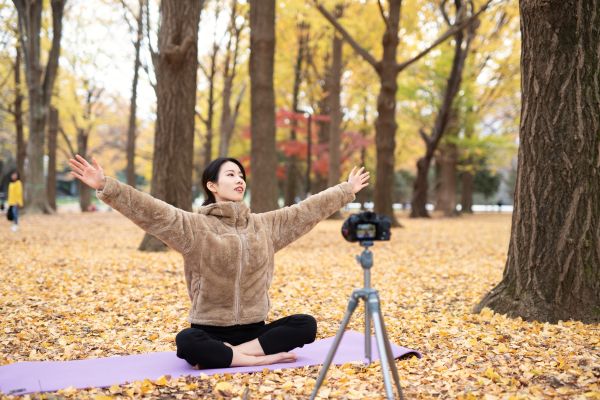
Fashion has always been visual, personal, and constantly changing, which makes YouTube a natural home for it. From styling everyday outfits to exploring runway trends, fashion creators can use video to share ideas in a way that photographs and written posts cannot always capture. Viewers get to see how clothes move, how pieces work together, and how a creator’s personality shapes each look.
Learning how to start a fashion YouTube channel is not simply about owning trendy clothes or buying an expensive camera. A strong channel begins with a clear point of view, consistent effort, and a genuine interest in helping or inspiring viewers. The early stages may feel awkward, especially when speaking to a camera for the first time, but every established creator started with an imperfect first video.
Find Your Fashion Perspective
Fashion is a broad subject. A channel that tries to cover every trend, brand, style, and audience from the beginning may struggle to build a recognizable identity. It helps to decide what kind of fashion content feels most natural to you.
You might focus on affordable styling, modest fashion, sustainable clothing, luxury collections, streetwear, vintage outfits, seasonal wardrobes, or fashion for a particular body type. Some creators build their channels around practical problems, such as dressing for work, finding flattering jeans, or creating several outfits from one basic item.
Your perspective matters more than choosing the most popular niche. Viewers can usually tell when a creator is discussing something only because it is trending. A smaller subject that genuinely interests you can lead to more engaging videos than a fashionable topic you do not enjoy.
Your niche does not need to remain rigid forever. Think of it as a starting direction rather than a permanent restriction. As your confidence grows, your channel can naturally expand into related areas.
Understand the Audience You Want to Reach
Before filming, imagine the person who would find your videos useful. Are you speaking to university students building a wardrobe on a budget? Busy professionals looking for simple outfit ideas? Fashion lovers who enjoy detailed discussions about fabrics, designers, and trends?
Understanding your audience makes content planning easier. It influences the clothes you feature, the language you use, the length of your videos, and even the questions you answer.
The goal is not to manufacture a perfect viewer profile. You simply need a general sense of who might connect with your approach. A channel aimed at beginners will explain styling choices differently from one created for experienced fashion enthusiasts. When your content speaks clearly to a particular viewer, it often feels more personal and memorable.
Choose Video Ideas You Can Sustain
A new creator may feel pressure to produce dramatic transformations, large shopping hauls, or highly edited lookbooks. These videos can be entertaining, but they are not always practical to make regularly.
Choose formats that fit your wardrobe, schedule, space, and budget. Outfit-of-the-day videos, seasonal styling guides, wardrobe challenges, clothing reviews, trend discussions, thrift finds, and “how I would style” videos can all work without requiring constant shopping.
Search-friendly topics are useful because viewers often visit YouTube with specific questions. Titles such as “How to Style Wide-Leg Jeans,” “What to Wear to a Summer Wedding,” or “How to Build a Capsule Wardrobe” address clear needs. Broader lifestyle videos can then add personality between these practical guides.
It is wise to write down enough ideas for your first ten videos before launching. This removes some of the pressure that appears after uploading the first one. You will already know what comes next instead of staring at an empty planning page.
Start With Simple Filming Equipment
Many people delay starting because they believe professional equipment is essential. In reality, a modern smartphone can produce clear, attractive fashion videos, particularly when used in good lighting.
Natural light from a large window is often more flattering than harsh ceiling lights. Film during the time of day when the room is bright but not filled with direct, intense sunlight. A basic tripod helps keep the camera steady and allows you to record full-body shots without assistance.
Sound quality also deserves attention. Viewers may tolerate slightly imperfect video, but unclear audio quickly becomes frustrating. Record in a quiet room with soft furnishings that reduce echoes. An affordable clip-on microphone can be added later, although even a phone microphone can work when positioned close enough.
Backgrounds should support the clothing rather than compete with it. A clean wall, tidy bedroom, clothing rail, or simple studio corner is usually enough. Small details matter on camera, so check the frame for clutter before recording.
Develop a Comfortable On-Camera Style
Speaking naturally to a camera takes practice. At first, many creators become unusually formal, speak too quickly, or forget what they planned to say. This is normal.
Instead of memorizing a complete script, write short notes covering the main points. Speak as though you are explaining an outfit to a friend. Pauses and small mistakes can be removed during editing, so there is no need to restart every time a sentence is not perfect.
Fashion videos benefit from a mixture of talking footage and visual examples. Show close-ups of fabrics, accessories, shoes, and construction details. Record full-length clips from different angles so viewers can understand the complete outfit. Movement is especially helpful because clothing often looks different while walking than it does in a still pose.
Your personality will gradually become part of the channel. Some creators are energetic and humorous, while others are calm and analytical. Neither approach is automatically better. The most convincing on-camera style is usually an amplified version of how you already communicate.
Learn the Basics of Video Editing
Editing shapes the pace and clarity of a fashion video. It does not need to involve complicated effects. Removing long pauses, adjusting the volume, adding useful text, and arranging outfit clips in a logical order can make a simple video feel polished.
Keep introductions focused. Viewers should understand the subject of the video quickly. Long animated openings or unrelated conversations may cause people to leave before the main content begins.
Music can add atmosphere, particularly in lookbooks and styling montages, but it should not overpower speech. Use music that you have permission to include. YouTube’s audio resources and properly licensed music platforms can help creators avoid copyright problems.
Editing will become faster with repetition. Your first video may take much longer than expected, but that does not mean the process will always be difficult.
Create Clear Titles and Thumbnails
A well-made video still needs a clear presentation. The title should tell viewers what they will learn or see. Avoid vague phrases that provide no context. Specific wording usually performs better because it matches the way people search.
Thumbnails should be easy to understand at a small size. A strong outfit image, expressive pose, or clear comparison can communicate the topic immediately. Too much text can make a thumbnail difficult to read, especially on mobile screens.
Consistency in fonts, framing, or background style can help viewers recognize your videos, but do not become trapped in perfect branding. Early thumbnails are allowed to evolve. Most channels refine their visual identity over time.
Build a Realistic Upload Routine
Consistency is useful, but an unrealistic schedule can turn an enjoyable project into a source of stress. One thoughtful video each week or every two weeks may be more sustainable than several rushed uploads.
Batching can make the process easier. You might plan several outfits at once, film two videos on the same day, and edit them separately. This is particularly helpful when natural lighting, location access, or personal schedules are limited.
Leave room for seasonal content, but avoid chasing every trend. Fashion changes quickly, while useful styling advice can remain relevant for years. A balanced channel includes both timely ideas and evergreen videos that viewers can discover long after publication.
Listen to Viewers Without Losing Your Voice
Comments can reveal what viewers want to see next. Questions about sizing, styling alternatives, fabric quality, or affordable options can become future video topics.
At the same time, not every suggestion needs to shape your channel. Audience feedback is valuable when it aligns with your interests and direction. Trying to satisfy every request can make the content feel scattered.
Pay attention to which videos hold viewers’ attention, encourage discussion, or bring people back. These signals can help you understand what is working. Growth may be slow at first, but a small group of genuinely interested viewers is more meaningful than random attention that disappears quickly.
Conclusion
Understanding how to start a fashion YouTube channel begins with accepting that the first version will not be perfect. Your lighting may change, your editing will improve, and your personal style may evolve in unexpected ways. That gradual development is part of what makes a channel interesting.
Begin with the clothes, ideas, and equipment already available to you. Focus on creating videos that are clear, useful, and honest rather than trying to imitate a fully established creator. Fashion content becomes memorable when it reflects a real perspective, not just a collection of trends.
With patience and regular practice, a simple channel can develop into a creative record of your style and a place where viewers return for ideas they trust.