
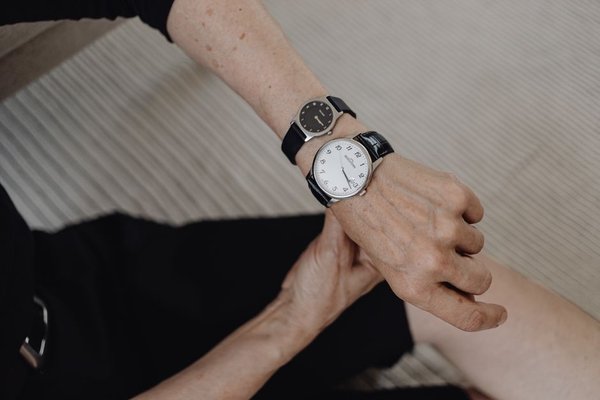
Picture two watches on the same wrist. One has a slim case, a clean dial and a discreet leather strap. The other has a sturdier case, luminous hands and a practical bracelet. Both tell the time, but they serve different wardrobes and routines. The dress watch vs sports watch decision is about matching appearance with real-life demands.
Dress Watch vs Sports Watch: The Main Differences
A dress watch traditionally prioritizes refinement: restrained details, a relatively thin profile and a dial that looks natural beneath a shirt cuff. A sports watch emphasizes legibility, practical construction and resistance to moisture and everyday knocks. Neither category has rigid boundaries, and many modern watches borrow from both.
For a quick comparison, a dress watch is usually the quieter choice for tailoring and formal occasions. A sports watch generally offers more flexibility for travel, casual outfits and outdoor plans. The actual specifications of a model matter more than its marketing label.
How Design Changes the Impression
Dial and case styling
Many formal watches use simple hour markers, polished surfaces and minimal complications. A small seconds display or date window may be the only addition. The effect is deliberate: nothing competes with your outfit. Traditional examples often have round cases, although rectangular designs can look just as elegant.
Sports watches may include rotating bezels, prominent numerals, chronograph subdials or contrasting hands. Larger crowns and protective shoulders make some cases appear substantial. These features are useful only when you need them, but they create a purposeful look. Other sports models are surprisingly understated.
Thickness and fit under a cuff
Case thickness is a noticeable difference in daily wear. A slim dress watch slides easily beneath a fitted shirt cuff. A thicker sports watch may sit above the cuff, which works with knitwear and casual clothing but can feel awkward with snug formal shirts.
Diameter alone cannot predict comfort. Lug-to-lug length, case shape and strap position influence how a watch sits on the wrist. Try it with the clothes you normally wear. A watch case size guide can help you judge proportions more accurately.
Materials, Straps and Overall Feel
Dress watches are often associated with polished steel, precious metals and leather straps. Sports watches commonly use stainless steel, titanium, rubber or fabric, with brushed finishes that can conceal minor marks better than mirror polishing. These are conventions rather than strict rules. Sapphire crystals appear in both categories.
A strap can change the personality of a watch. Dark leather makes a simple steel case appear more formal; a bracelet gives it a casual edge. Changing straps does not improve water resistance or impact protection. Compare comfort and maintenance using a watch strap materials guide before choosing.
Water Resistance: Read the Rating, Not the Style
Water resistance is a major reason buyers favour sports watches, but appearances can mislead. Many traditional dress watches are designed for minor splashes rather than swimming. Sports models often offer higher ratings, yet a sporty dial guarantees nothing. Check the manufacturer’s documentation.
A watch marked 3 bar or 30 metres is generally best treated as splash-resistant, not suitable for swimming. A 5 bar or 50-metre rating may permit swimming when the maker says so; 10 bar or 100 metres typically allows more water activities. These numbers describe pressure testing, not a safe diving depth.
Follow the specific manufacturer’s instructions. Gaskets age, impacts can affect seals, and an unsecured crown compromises protection. Dedicated diving watches have additional design and testing requirements; an ordinary sports watch is not automatically a dive watch. Frequent swimmers should prioritize verified water resistance over dial colour.
Durability and Features: What Actually Matters?
Sports watches often feature luminous hands, easily readable markers and grippier controls. A chronograph times intervals; a rotating bezel can track elapsed minutes. Some offer shock-resistant construction. Those are meaningful advantages when the particular model includes them and you will actually use them.
A dress watch can be reliable enough for daily office life. Quartz and mechanical movements appear in both styles; movement type does not determine formality. Quartz generally needs less resetting after being left unworn, while mechanical watches appeal to enthusiasts of traditional engineering. A guide to caring for a mechanical watch is useful if you choose one.
Which Watch Works With Your Outfits?
Formal events and professional settings
For black-tie events, weddings and conservative business dress, a slim formal watch remains the conventional choice. Its restrained dial lets the outfit lead. Dress codes vary, however: a simple steel sports watch may be entirely appropriate in a business-casual office. Match the setting rather than following an inflexible rule.
Weekends, commuting and active days
If your week includes commuting in rain, travel, walks and relaxed clothing, a sports watch may be a more convenient everyday watch. Its visibility and often tougher construction suit changing conditions. For serious exercise, though, weight, strap comfort and the manufacturer’s guidance still matter.
Imagine an office worker who attends a formal dinner twice a year. Buying an expensive dress watch only for those evenings might be unnecessary; a modestly sized sports watch with a clean dial could cover nearly everything. Someone who wears suits every day may appreciate the thinness and restraint of a dress watch much more.
How to Choose If You Can Own Only One
Start with your calendar, not a product photograph. Consider the clothes you wear on a typical Tuesday, how often your hands get wet and whether you prefer a discreet watch or a visible statement. Compare candidate models for case thickness, fit, actual water resistance, strap comfort and servicing needs.
For one-watch versatility, consider an understated sports model or a dressier everyday design with moderate dimensions and a straightforward dial. Understand the compromise: a hybrid may be neither as elegant as the thinnest formal watch nor as capable in water as a purpose-built diver.
Frequently Asked Questions
Can you wear a sports watch with a suit?
Yes. A slim, simple sports watch complements many modern suits, especially for daytime or business settings. Bulky cases and busy bezels usually look less harmonious with formal tailoring.
Is a dress watch suitable for everyday use?
Yes, when your routine suits its construction. Check water resistance, crystal, strap and comfort rather than assuming an elegant watch must be fragile.
Are sports watches always larger?
No. Compact sports watches exist. Compare thickness and lug-to-lug length alongside case diameter to understand how a model will fit your wrist.
Do I need both types of watch?
Not necessarily. One versatile watch can cover most wardrobes. A second becomes worthwhile when your formal occasions and active activities call for noticeably different looks or capabilities.
Final Thoughts
The dress watch vs sports watch choice comes down to how naturally a watch fits your clothing and how confidently it handles your routine. Choose a dress watch for subtle elegance, a sports watch for practical features, or a balanced design for both. The best match is the one you will wear comfortably, without second-guessing the occasion.