
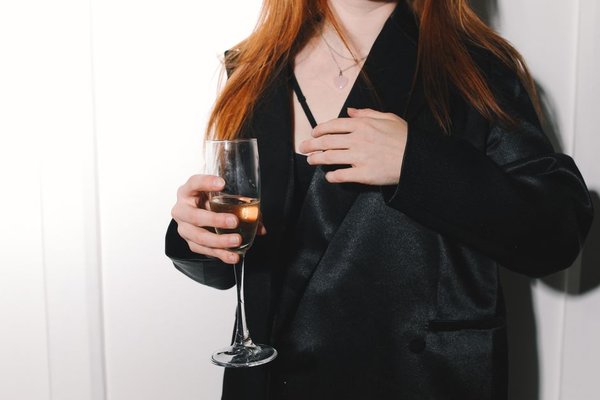
Cocktail attire for women is one of those dress codes that sounds straightforward until an invitation lands in your inbox. It is more polished than what you would wear to dinner with friends, but it does not usually call for a full-length gown. The sweet spot sits between relaxed and formal: elegant, intentional and appropriate without feeling overdressed.
A cocktail party outfit for a hotel reception may look different from one chosen for a garden wedding or an office celebration. The key is not finding one universal dress. It is understanding the level of polish the cocktail dress code expects, then adapting it to the venue, time of day and season.
What Does Cocktail Attire for Women Mean?
Cocktail attire usually means a refined dress, jumpsuit or coordinated separate that feels special enough for an event but less ceremonial than black tie. Hemlines often fall around the knee, just above it or at midi length, although the overall finish matters more than a strict rule.
Think of it as elevated eveningwear with room for personality. Fabrics such as satin, crepe, velvet, chiffon, lace and structured jacquard naturally look more occasion-ready than casual jersey or everyday cotton. Tailoring, fit and accessories also help distinguish cocktail clothing from an ordinary going-out look.
People searching for semi formal attire women can wear often find similar advice. The two dress codes overlap considerably. Cocktail attire may lean slightly more festive, especially in the evening, while semi-formal dressing can include understated daytime options. Neither normally requires a floor-length gown.
The Easiest Cocktail Outfit Formulas
A polished midi dress
A midi dress is one of the safest choices. It offers enough coverage for weddings, professional celebrations and family occasions while still looking modern. A defined waist, elegant neckline or subtle draping can add interest without excessive embellishment.
For evening, deeper colours and richer textures work well. During the day, lighter shades, prints and softer fabrics can feel more natural. The dress should let you sit, walk and socialise without constant adjustment.
A tailored jumpsuit
A well-cut jumpsuit is an excellent alternative to a dress. Look for structure through the shoulders or waist and fabric that holds its form or drapes cleanly. Wide-leg styles can feel especially elegant with heeled sandals, pointed shoes or sleek flats.
A cocktail-ready jumpsuit should avoid overly utilitarian details, thin beachwear materials or anything resembling loungewear. Refined jewellery and a compact bag will complete the look.
Elegant separates
You do not have to wear a one-piece outfit. A satin skirt with a fitted knit, tailored trousers with a silk blouse, or a structured co-ord can meet the cocktail dress code beautifully. Separates are especially useful when you want more control over fit or prefer pieces that can be worn again.
Keep the silhouette balanced. If the skirt or trousers are dramatic, choose a simpler top. If the blouse has volume, sparkle or an architectural neckline, pair it with a cleaner bottom half.
How to Choose the Right Length and Silhouette
Knee-length, midi and refined mini dresses can all work for cocktail attire for women. A shorter hemline is most successful when the rest of the outfit feels sophisticated. Balanced proportions, quality fabric and considered accessories make a noticeable difference.
Floor-length dresses are not automatically wrong, but they can appear too formal unless the invitation suggests a glamorous setting. If you prefer a longer style, choose a streamlined maxi rather than a heavily beaded ball gown.
Silhouette should be guided by comfort and personal style. Wrap dresses, column shapes, softly fitted sheaths, A-line cuts and tailored suiting can all be appropriate. A good outfit should look intentional while still letting you enjoy the event.
Colours, Prints and Fabrics That Work
Black is reliable, but it is far from the only option. Navy, burgundy, emerald, chocolate, cobalt and metallic tones can all feel sophisticated. Pastels and botanical prints suit spring and summer, while velvet, satin and jewel tones are natural choices for autumn and winter.
Prints are acceptable when they feel elevated. Watercolour florals, graphic motifs and refined abstract patterns can look striking, while novelty graphics or beach-style prints are harder to dress up.
For weddings, avoid white, ivory and shades that may photograph as bridal unless the couple has requested them. Also consider cultural expectations, religious settings and any colour guidance on the invitation.
Shoes, Bags and Jewellery
Accessories turn a good base outfit into complete cocktail attire. Heels are traditional, but they are not compulsory. Pointed flats, slingbacks, dressy loafers and elegant low heels can look equally appropriate.
A small shoulder bag, clutch or structured mini bag generally looks more polished than a large everyday tote. Jewellery can be minimal or bold, but one focal point, such as sculptural earrings or a striking cuff, is often enough.
Outerwear matters too. A tailored coat, cropped jacket, dressy wrap or clean-lined blazer will preserve the polished effect better than a casual puffer or worn denim jacket.
What Not to Wear
The most common mistake is choosing something too casual or unnecessarily formal. Everyday denim, exercise trainers, beach sandals, slogan tops and relaxed day dresses rarely suit the occasion. At the other extreme, elaborate gowns and bridal-looking dresses may feel out of place.
Very sheer, restrictive or difficult-to-manage clothing can also become distracting. Cocktail dressing can be glamorous, but confidence usually comes from wearing something secure, comfortable and suited to the setting.
How to Adapt Cocktail Attire to the Event
For a daytime wedding, choose lighter colours, graceful prints and fresh accessories. For an evening reception, richer fabrics, darker tones and a little sparkle feel appropriate. At a work event, favour clean lines, moderate necklines and polished tailoring. For an outdoor venue, consider the ground before choosing narrow heels and bring a suitable layer.
Extra wording on the invitation can help. “Festive cocktail” allows more shine and colour. “Garden cocktail” suggests softer fabrics and practical footwear. “Smart cocktail” usually calls for a restrained, tailored finish.
Frequently Asked Questions
Can women wear trousers for cocktail attire?
Yes. Tailored trousers with an elegant blouse, fitted jacket or coordinated top can be entirely appropriate. Choose refined fabric and polished accessories so the outfit feels event-ready.
Does cocktail attire require heels?
No. Dressy flats, slingbacks, low heels and sleek loafers can all work. The shoes simply need to look intentional and complement the outfit.
Can a cocktail dress be long?
A streamlined midi or maxi dress can work, especially for an evening occasion. Avoid styles resembling formal ball gowns unless the invitation indicates a more glamorous dress code.
Is a little black dress always suitable?
In most cases, yes. A well-fitting black dress is dependable, particularly with distinctive jewellery, an elegant bag or interesting shoes. Consider the venue so the finished look feels celebratory.
Finding the Right Balance
The best way to interpret cocktail attire for women is to aim for polished rather than rigidly formal. Start with an elegant dress, jumpsuit or tailored separates, then adjust the colour, fabric and accessories to suit the event. When the outfit feels more special than everyday clothing, less elaborate than black tie and comfortable enough to wear with confidence, you have found the right balance.