
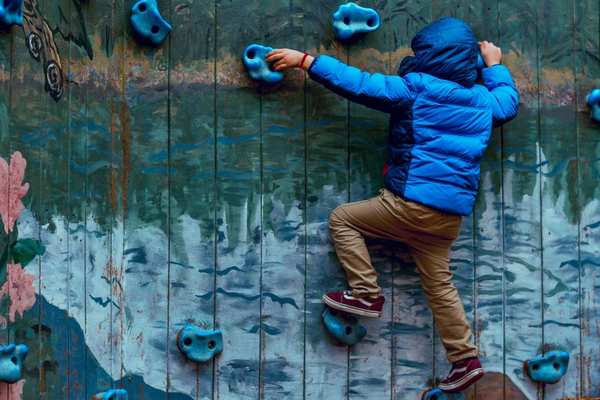
Active children are rarely kind to their clothes. Knees meet pavements, sleeves catch on climbing frames, and pockets somehow become storage spaces for stones, sticks, and half the playground. For parents, that often means replacing trousers, tops, and coats long before they have been outgrown.
Choosing durable kids clothes for active kids can reduce that frustration. The best options are not simply made from thick fabric. They combine strong materials, reinforced construction, comfortable movement, and practical details that can handle regular washing. Whether your child loves football, cycling, climbing, or muddy outdoor adventures, the right clothing can survive more than a few energetic afternoons.
What Makes Kids’ Clothing Truly Durable?
Durability starts with fabric, but construction matters just as much. A heavy pair of trousers can still split quickly if the seams are weak, while a lighter garment may last for years when stress points are properly reinforced.
Look closely at the knees, elbows, seat, pockets, cuffs, and waistbands. These are the areas that usually wear out first. Double stitching, reinforced panels, and tightly woven materials are useful signs that an item has been designed for active use rather than occasional wear.
Good tough kids clothing should also allow plenty of movement. Children need to run, crouch, climb, and stretch without putting too much pressure on seams. Fabrics with a small amount of stretch often perform better than rigid materials, particularly for trousers and outdoor layers.
Best Trousers for Playgrounds and Outdoor Adventures
Reinforced-Knee Trousers
For children who regularly come home with grass stains and scuffed knees, reinforced-knee trousers are one of the most practical choices. Extra fabric over the knee area helps prevent small abrasions from becoming large holes.
Cotton canvas and cotton twill are particularly useful because they are stronger than lightweight jersey while remaining comfortable enough for everyday wear. Some designs include articulated knees, which are shaped to make bending and climbing easier.
Stretch Cargo Trousers
Cargo trousers offer a useful balance between durability and comfort. Their relaxed shape supports movement, while larger pockets are often securely stitched to handle the treasures children collect during the day.
Choose a pair with an adjustable waistband and a small amount of elastane. This allows the trousers to fit for longer and reduces strain around the knees and seat. For genuine playground proof clothes, avoid decorative pockets or loose trims that may catch on equipment.
Heavyweight Joggers
Joggers are comfortable, but very thin versions can wear through quickly. Heavyweight cotton joggers with reinforced knees are a better choice for active children who prefer softer clothing.
Ribbed cuffs can help keep trouser legs away from wet ground, although they should be firm rather than overly tight. A wide elasticated waistband is also more likely to retain its shape after repeated washing.
Durable Tops That Can Handle Everyday Wear
Heavyweight Cotton T-Shirts
Not all T-shirts are created equally. Lightweight fabric may twist, stretch, or develop small holes after only a few washes. Heavyweight cotton generally keeps its shape better and is less vulnerable to rough surfaces.
Check the neckline before buying. A ribbed collar with reinforced stitching is less likely to become loose or misshapen. Darker colours and patterned designs can also hide small stains, making them practical for school holidays and outdoor play.
Rugby Shirts and Sweatshirts
Rugby-style shirts are often built from sturdy cotton and designed to withstand pulling and movement. Their thicker collars and reinforced seams make them a useful option for cooler days.
Classic sweatshirts can also provide excellent value when made from dense fabric. Look for well-finished cuffs and hems, as these areas often show wear first. Brushed interiors feel warm, but the outer surface should still be tightly knitted to resist snagging.
Choosing Hard-Wearing Outerwear
Water-Resistant Coats
A reliable coat should protect children from rain without restricting movement. Water-resistant fabrics with reinforced elbows and sealed or strongly stitched seams are ideal for regular outdoor use.
Removable hoods can be practical, particularly when they are designed to detach safely if caught. Zips should feel strong and move smoothly, while storm flaps provide extra protection and reduce direct wear on the fastening.
Fleece and Softshell Jackets
Fleece is warm and quick-drying, making it useful for layering. However, cheaper fleece can pill heavily and lose its appearance. Denser fleece with strong zip construction usually lasts longer.
Softshell jackets are another excellent option within durable children’s wear. They offer flexibility, light weather protection, and better resistance to rough surfaces than many thin waterproof shells. For energetic children, a softshell can work well for school trips, weekend walks, and everyday outdoor play.
Denim Versus Technical Fabrics
Denim has a reputation for toughness, and heavyweight jeans can certainly withstand regular wear. However, rigid denim may restrict movement and can become uncomfortable during sports or climbing. Stretch denim is usually a better choice for active children because it combines strength with flexibility.
Technical fabrics, including ripstop nylon and polyester blends, are lighter and often dry faster. Ripstop material is woven in a way that helps stop small tears from spreading, making it especially useful for outdoor trousers and jackets.
For everyday use, cotton twill or stretch denim may feel more comfortable. For camping, hiking, or wet-weather activities, technical fabrics usually perform better. The most suitable option depends on where and how the clothing will be worn.
Features Worth Paying More For
A higher price does not always guarantee longer-lasting clothing, but certain features can justify spending a little more. Reinforced knees, double-stitched seams, quality zips, adjustable waists, and replaceable fastenings can significantly extend a garment’s useful life.
Room for growth is another important consideration. Turn-up cuffs, adjustable straps, and expandable waistbands allow children to wear items for longer. Clothing that survives physically but becomes too small after a few months offers limited value.
It is also worth checking whether the item can be machine washed at a normal temperature. Durable kids clothes for active kids should not require delicate cleaning after every muddy outing. Simple care instructions make it easier to keep garments in regular rotation.
How to Make Children’s Clothes Last Longer
Even well-made clothing benefits from sensible care. Washing garments only when necessary helps protect fibres, colours, and elastic. Small marks can often be spot-cleaned rather than putting the entire item through another wash cycle.
Turn clothes inside out before washing to reduce friction on the outer surface. Fasten zips and hook-and-loop closures so they do not damage other items. Air-drying is generally gentler than frequent tumble drying, especially for garments containing stretch fibres or waterproof coatings.
Repair small holes as soon as they appear. A quick patch on a knee can prevent a minor tear from spreading across the fabric. Visible patches can even become part of the design, allowing children to personalise their clothes rather than seeing repairs as something embarrassing.
Finding the Best Value
The cheapest item is not always the most economical. A pair of trousers that costs slightly more but lasts through a full season may provide better value than two inexpensive pairs that tear within weeks.
Consider cost per wear rather than the initial price alone. Neutral colours and simple designs can also be passed down between siblings more easily. Second-hand shops and resale platforms are worth exploring too, particularly for premium durable children’s wear that still has plenty of life remaining.
When comparing options, prioritise construction over branding. Examine seams, stretch the fabric gently, test the zip, and check whether high-wear areas have extra protection. These small checks can reveal more about durability than a label or marketing claim.
Frequently Asked Questions
What is the best fabric for durable kids clothes for active kids?
Cotton canvas, twill, stretch denim, ripstop nylon, and durable polyester blends are all strong choices. The best fabric depends on the activity, with cotton blends working well for everyday wear and technical materials performing better outdoors.
How can I stop children’s trousers wearing through at the knees?
Choose trousers with reinforced or double-layer knees and repair small scuffs early. Knee patches can be added before holes develop, particularly if your child regularly crawls, climbs, or plays on rough surfaces.
Are expensive children’s clothes always more durable?
No. Price and brand name do not automatically indicate quality. Check the fabric weight, stitching, fastenings, reinforced areas, and washing instructions before deciding whether an item offers good value.
How many sets of playground proof clothes does a child need?
For regular outdoor play, three to five practical outfits usually provide enough rotation between washes. The exact number depends on the child’s age, activities, school routine, and how often laundry is done.
Choose Clothes That Keep Up With Childhood
Children should be able to explore without constantly worrying about damaging their clothes. By choosing strong fabrics, flexible fits, reinforced stress points, and easy-care designs, parents can build a wardrobe that handles real life more effectively.
The best durable kids clothes for active kids are comfortable enough to wear every day and tough enough to survive repeated adventures. Buying fewer, better-constructed pieces can save money, reduce waste, and make torn knees far less common.