
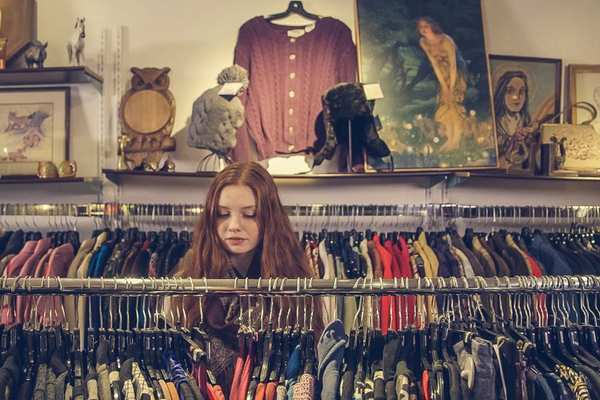
Secondhand shopping can be exciting, affordable and surprisingly rewarding, but the first visit to a charity shop or vintage store can also feel overwhelming. Rails are often packed, sizing can be inconsistent and there may be only one of each item. Unlike conventional shopping, there is no neat row of identical pieces waiting in every size.
The good news is that thrifting becomes much easier once you know what to look for. With a little patience and a practical plan, you can find quality clothes that suit your wardrobe without wasting time or money. These secondhand shopping tips will help you shop with confidence, recognise worthwhile pieces and avoid the purchases that seem exciting in the moment but never leave your wardrobe.
Start With a Simple Shopping Plan
Before you begin browsing, think about what your wardrobe actually needs. Secondhand shops are full of unexpected finds, which makes it easy to become distracted by interesting colours, unusual prints or low prices. A short mental list helps you stay focused while still leaving room for the occasional surprise.
You might be looking for a neutral blazer, everyday jeans, a lightweight jacket or a dress for an upcoming event. Try to identify two or three priorities rather than creating a long, restrictive checklist. The aim is not to remove the fun from thrifting, but to prevent random purchases that do not work with anything you already own.
It can also help to take photographs of key items in your wardrobe. When you find something you like, you can quickly check whether it will coordinate with your existing clothes.
Choose the Right Time and Place
Not every secondhand shop offers the same experience. Charity shops in busy city centres may receive designer donations but often have higher prices, while shops in residential areas can be better for affordable everyday clothing. Vintage stores usually offer a more carefully selected collection, although the prices may reflect the extra curation.
Visit a few different locations before deciding that secondhand shopping is not for you. Stock changes constantly, so an unproductive visit does not mean the shop is always disappointing.
Quieter weekday mornings are often easier for beginners because the rails are less crowded and you can browse without feeling rushed. Some shops also replenish stock on particular days. It is worth asking a member of staff when new donations are usually added.
Learn How to Scan the Rails Efficiently
A useful thrift shopping guide should teach you how to browse without inspecting every single item. Start by scanning for colours, fabrics and shapes that naturally appeal to you. This allows you to move through crowded rails much faster.
Feel the fabric as you browse. Natural materials such as cotton, linen, wool and silk often stand out immediately, although good-quality synthetic fabrics can also be practical and durable. Check the label when something catches your attention, but do not rely on the brand name alone. A well-made unbranded shirt may be a better purchase than a recognisable label in poor condition.
Do not limit yourself to one department. Oversized shirts, knitwear, jackets and accessories can often be found in different sections of the shop. Secondhand sizing is particularly inconsistent because clothing may come from different decades and retailers.
Check the Condition Before You Buy
One of the most valuable secondhand shopping tips is to inspect every potential purchase carefully. Small signs of wear may be acceptable, but damage can turn an inexpensive item into a costly mistake.
Look at High-Wear Areas
Examine underarms, collars, cuffs, pockets, hems and the inner thighs of trousers. These areas are more likely to show stains, thinning fabric or excessive wear. Hold lighter garments towards a window or bright light to spot marks that may not be obvious inside the shop.
Test Fastenings and Seams
Check that zips move smoothly and that buttons, hooks and poppers are secure. Look along the seams for loose stitching, stretching or small holes. Missing buttons are usually easy to replace, but a broken zip or badly damaged seam may require professional alteration.
Notice Pilling and Fabric Damage
Light surface pilling can sometimes be removed with a fabric shaver. However, heavy pilling, moth holes, peeling coatings or fabric that has become noticeably thin may indicate that the item is nearing the end of its usable life.
Try Everything On When Possible
Learning how to thrift clothes successfully means becoming flexible about the number on the label. Sizes vary between brands, countries and decades, and previously worn clothing may have stretched or shrunk. An item that looks too large or too small on the hanger may fit surprisingly well.
Move around in the garment before making a decision. Sit down, raise your arms and check how it looks from different angles. Consider whether you would feel comfortable wearing it for several hours rather than judging it only by how it appears in the mirror.
When changing rooms are unavailable, wear a fitted base layer so you can try jackets, shirts and some dresses over your clothes. Knowing your approximate measurements can also make online secondhand shopping much easier.
Decide Whether an Alteration Is Realistic
A small alteration can transform a secondhand find. Shortening a hem, replacing buttons or taking in a simple waist may be worthwhile, especially for a high-quality garment. However, ambitious repair plans can quickly become expensive or remain unfinished for months.
Before buying, be honest about whether you can complete the repair yourself or are willing to pay a tailor. Add the alteration cost to the purchase price. A low-priced item is not a bargain when the final expense is higher than buying a suitable version elsewhere.
Focus on Cost Per Wear, Not Just Price
Low prices can encourage impulse buying. Instead of asking whether an item is cheap, ask whether you will wear it regularly. A $25 jacket worn fifty times offers better value than a $5 top that stays in the wardrobe.
Think of at least three outfits you could create with the item. Consider whether it suits your lifestyle, local weather and usual dress code. These simple questions are among the most effective secondhand fashion tips because they shift your attention from the excitement of finding something to its long-term usefulness.
A bargain is only a bargain when it genuinely earns a place in your wardrobe.
Know Which Pieces Are Worth Prioritising
Some categories are especially good for beginners. Coats, denim, knitwear, leather bags, occasionwear and structured jackets can offer excellent value secondhand. These items are often expensive when purchased new and may remain in good condition for years.
Simple wardrobe staples are also worth searching for, but inspect them carefully because frequently worn basics may show more damage. Shoes can be worthwhile when the soles, lining and structure remain sound, although heavily worn footwear may have already moulded to the previous owner’s feet.
Avoid buying an item solely because it has a designer label. Quality, fit and condition should always matter more than the name stitched inside.
Clean Purchases Properly
Most secondhand clothes should be cleaned before being added to your wardrobe. Read the care label first, as delicate fabrics may require hand washing or dry cleaning. Wash suitable garments according to their instructions and allow them to dry completely.
For coats, bags or items that cannot be washed easily, airing them in a well-ventilated space can help. A professional cleaner may be appropriate for valuable or delicate pieces. Remember to include cleaning costs when deciding whether a purchase offers good value.
Build Patience Into the Process
Thrifting is rarely about finding the perfect item immediately. Some visits will produce several excellent pieces, while others will produce nothing at all. Leaving empty-handed is better than buying something unsuitable simply because you invested time in the trip.
Your ability to spot quality will improve with practice. You will gradually learn which fabrics you prefer, which shops suit your style and which repairs you are willing to handle. That knowledge makes each future visit faster and more enjoyable.
Frequently Asked Questions
What should a beginner look for when thrift shopping?
Start with versatile items that fit your existing wardrobe, such as jackets, knitwear, jeans, shirts and practical accessories. Prioritise condition, fabric quality and fit rather than focusing only on price or brand.
How can I tell whether secondhand clothing is good quality?
Inspect the seams, fabric, lining, fastenings and high-wear areas. Well-made clothing usually has secure stitching, durable material and a shape that remains structured after previous use.
Is secondhand shopping always cheaper?
Not necessarily. Vintage, designer and highly curated pieces can be expensive. Compare the price with the garment’s condition, original quality and likely cost per wear before deciding whether it represents good value.
How often should I visit thrift shops?
Stock changes regularly, so visiting every few weeks can improve your chances of finding suitable pieces. However, there is no need to browse constantly. Shopping with a genuine wardrobe need in mind usually leads to better decisions.
Make Secondhand Shopping Work for You
Successful thrifting is not about filling your wardrobe with the cheapest clothes you can find. It is about choosing useful, well-made pieces that deserve to be worn again. Plan what you need, inspect every item carefully and give yourself permission to leave without buying anything.
With practice, these secondhand shopping tips will become second nature. The rails will feel less overwhelming, your decisions will become more confident and you will be more likely to discover clothing that supports both your personal style and a more sustainable approach to shopping.